
Why is my dog scooting? The answer is simple: your dog's anal glands are likely full or irritated. Just like us needing to scratch an itch, dogs scoot to relieve discomfort in their rear end. I've seen this countless times in my years working with pets - it's one of the most common reasons for vet visits!The good news? Most cases are easily fixed with a quick gland expression by your vet. But here's what you need to know: while scooting often means full anal glands, it can sometimes signal more serious issues like infections or even tumors. That's why we always recommend getting it checked out, especially if your pup keeps dragging their butt for more than a day or two.In this guide, I'll walk you through exactly what causes this weird behavior and share proven solutions that actually work. Whether it's adding fiber to their diet or knowing when to rush to the vet, you'll learn how to handle your dog's scooting like a pro!
E.g. :Extreme Dog Sports: 8 Thrilling Activities for Your Adventure Pup
- 1、Why Does My Dog Drag Its Butt Across the Floor?
- 2、Reading Your Dog's Rear-End Signals
- 3、From Scooting to Solutions
- 4、When to Really Worry
- 5、Preventing the Butt Drag Blues
- 6、The Science Behind Anal Glands
- 7、Breed-Specific Considerations
- 8、The Emotional Impact on Dogs
- 9、Alternative Therapies Worth Considering
- 10、When Prevention Fails: Surgical Options
- 11、FAQs
Why Does My Dog Drag Its Butt Across the Floor?
The Mystery Behind Dog Scooting
Ever seen your pup doing the "butt scoot boogie" across your living room carpet? This hilarious yet concerning behavior actually has a scientific explanation. Dogs have these little scent factories called anal glands that release a stinky fluid when they poop - nature's version of a signature perfume!
Here's what's happening inside your dog: These glands can get uncomfortably full, especially in smaller breeds like Chihuahuas or Poodles. While scooting usually means "Hey human, my glands need emptying!", sometimes it signals bigger issues. Think of it like your dog's version of a check engine light!
When Scooting Means Trouble
Not all butt-dragging is created equal. While full glands are the usual suspect, your furry friend might be dealing with:
| Condition | What's Happening | How Serious? |
|---|---|---|
| Anal gland abscess | Infection causing painful swelling | Vet visit ASAP! |
| Tapeworms | Pesky parasites causing itchiness | Needs deworming |
| Allergies | General irritation back there | May need diet change |
Did you know? About 1 in 10 dogs will have anal gland issues at some point. That's why understanding these signs is so important for pet parents!
Reading Your Dog's Rear-End Signals
 Photos provided by pixabay
Beyond the Scoot: Other Warning Signs
Your dog won't send you a text about their discomfort, but they have other ways to communicate. Watch for these red flags:
Behavior changes:
- Suddenly refusing to sit
- Whining during potty time
- Constant licking back there
Physical signs:
- Swollen or red anus
- Weird fishy odor (that's the gland fluid!)
- Blood or pus (emergency alert!)
Why Soft Poop Makes Things Worse
Here's something most owners don't realize - firm stools actually help empty those glands naturally. When your dog has diarrhea, it's like skipping leg day at the gym for their anal glands! The muscles don't get the workout they need to express properly.
Ever wonder why some dogs need monthly gland expressions while others never do? It often comes down to diet and stool quality. That's why many vets recommend high-fiber foods for dogs prone to gland issues.
From Scooting to Solutions
What Your Vet Can Do
When your dog starts carpet surfing, your first call should be to the vet. They'll check if it's simple gland fullness or something more serious. The treatment might be as easy as:
Quick gland expression: A vet tech can often do this in about 5 minutes. Think of it like popping a pimple (but way smellier!).
For tougher cases: Impacted glands might need antibiotics, warm compresses, or even surgery in severe cases. Some dogs with chronic issues eventually get their glands removed - like a permanent solution to a stinky problem!
 Photos provided by pixabay
Beyond the Scoot: Other Warning Signs
While you should never try expressing glands yourself (trust me, you don't want that mess in your bathroom), there are safe home supports:
1. Pumpkin power: A tablespoon of canned pumpkin (not pie filling!) can bulk up stools naturally.
2. Fiber supplements: Products like Glandex help many dogs avoid frequent vet visits.
3. Diet changes: Some dogs do better on high-fiber or hypoallergenic foods.
Remember that joke about dogs eating grass? Turns out some do it to help their digestion! While we're on the subject, keeping your dog at a healthy weight reduces gland issues too - less fat means less pressure on those tiny glands.
When to Really Worry
Scooting That Won't Quit
Here's the golden rule: If scooting continues more than 48 hours after gland expression, something else is probably going on. It could be:
- An incomplete expression (like only half the toothpaste coming out of the tube)
- A developing infection
- Worms or allergies causing irritation
Did you know some dogs scoot just because they're copying other dogs? True story! But unless you've got a canine copycat on your hands, persistent scooting deserves a vet revisit.
The Cancer Connection
While rare, anal gland tumors do happen. The scary part? They can cause high calcium levels that damage organs. Treatment usually involves:
Surgery: Removing the tumor if possible
Follow-up care: Sometimes chemo or radiation
Supportive care: Managing calcium levels and discomfort
Here's some good news though - caught early, many dogs do well with treatment. That's why regular vet checks are so important, especially for senior dogs.
Preventing the Butt Drag Blues
 Photos provided by pixabay
Beyond the Scoot: Other Warning Signs
Want to keep your dog's rear in good shape? Try these vet-approved tips:
1. Monthly checks: Many dogs benefit from regular gland expressions
2. Quality food: Better ingredients mean better poops
3. Weight management: Less fat = less gland pressure
4. Parasite prevention: Regular deworming keeps worms away
Think of it like maintaining a car - regular oil changes (gland expressions) prevent bigger problems down the road!
Special Cases Need Special Care
Some dogs just seem prone to gland issues no matter what you do. For these special cases, vets might recommend:
- Prescription diets specifically for gland health
- More frequent expressions (every 2-3 weeks)
- Allergy testing to identify triggers
- Surgical removal if problems persist
At the end of the day, every dog is different. What works for your neighbor's Labrador might not help your Pug. That's why working closely with your vet is key to keeping your pup's rear end happy and healthy!
The Science Behind Anal Glands
How These Tiny Glands Work
You know those little sacs near your dog's rear end? They're actually highly specialized scent glands that serve multiple purposes in canine biology. When your dog poops, these glands naturally express themselves, leaving behind a unique scent signature.
Here's something fascinating - wild canines use these secretions to mark territory, just like wolves leaving scent posts. Your domesticated pup might not need to mark territory anymore, but those glands still function the same way. That's why some dogs get so excited when sniffing each other's behinds - they're reading the canine equivalent of social media profiles!
The Evolutionary Purpose
Why did dogs develop these glands in the first place? Nature had some clever reasons:
1. Communication: The unique scent helps dogs identify each other
2. Territory marking: Wild canines use it to establish boundaries
3. Self-defense: The foul odor can deter predators
Isn't it amazing how something so small plays such a big role in canine biology? Next time you see your dog scooting, remember they're dealing with an ancient biological system that's been fine-tuned over thousands of years!
Breed-Specific Considerations
Small Dogs vs Large Dogs
Ever notice how small breeds seem to have more gland issues? There's actually science behind this! Smaller dogs have proportionally larger anal glands compared to their body size. Check out this comparison:
| Breed Size | Gland Issues Frequency | Common Solutions |
|---|---|---|
| Small (under 20 lbs) | High (60-70% experience issues) | Monthly expressions, high-fiber diet |
| Medium (20-50 lbs) | Moderate (30-40%) | Occasional expressions, balanced diet |
| Large (over 50 lbs) | Low (10-20%) | Rarely needs intervention |
But here's a fun fact - some large breeds like German Shepherds can have issues too! It's not just about size, but also about anatomy and genetics.
Special Cases: Bulldogs and Pugs
If you own a squishy-faced breed, listen up! These guys have extra challenges:
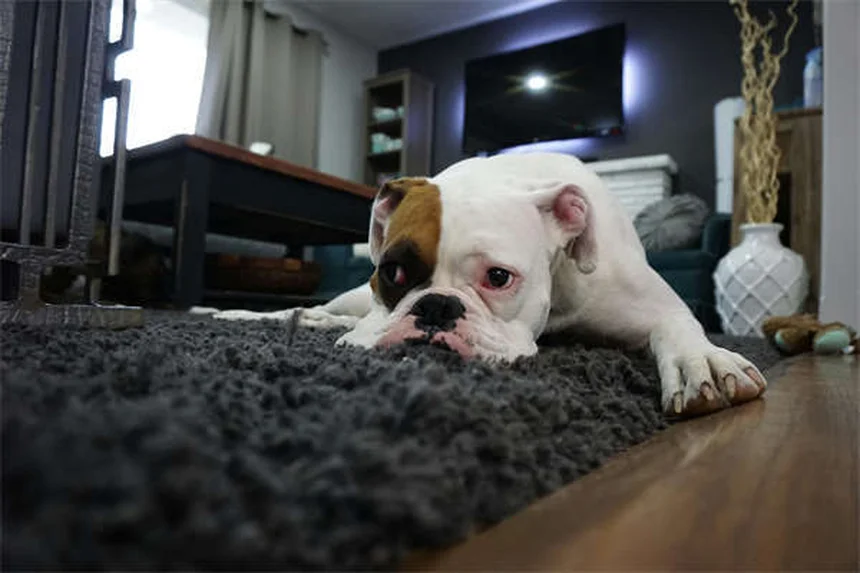
Their compact anatomy means everything is squeezed together back there. Less space equals more pressure on those glands. Plus, many have food sensitivities that contribute to soft stools - the double whammy of gland problems!
Did you know some bulldog owners schedule regular "butt maintenance" with their groomers? It's become as routine as nail trims for these breeds. Now that's dedication to pet care!
The Emotional Impact on Dogs
How Discomfort Affects Behavior
Ever seen your normally sweet dog suddenly snap when you touch near their tail? That's pain talking! Anal gland issues can make even the gentlest pup irritable. Watch for these behavior changes:
- Uncharacteristic aggression when touched near rear
- Restlessness or inability to settle
- Excessive licking or chewing at the base of the tail
Isn't it heartbreaking to see your furry friend in discomfort? That's why catching these issues early makes such a difference in their quality of life.
The Scoot of Shame
Here's something most people don't consider - dogs might actually feel embarrassed about scooting! While we can't know for sure, many trainers observe that dogs will:
1. Scoot when they think no one's watching
2. Stop immediately when caught
3. Display submissive body language afterward
Could this be canine embarrassment? Maybe! Either way, it's another reason to address the issue promptly - nobody likes feeling self-conscious, not even our four-legged friends!
Alternative Therapies Worth Considering
Natural Remedies That Help
Before rushing to surgery, many vets recommend trying these gentler approaches:
Warm compress therapy: Just 5 minutes a day can help soften impacted material. Think of it like a spa treatment for your dog's behind!
Acupuncture: Some holistic vets report success with needle therapy for chronic gland issues. It sounds unusual, but many pet parents swear by it.
Chiropractic care: Misaligned spines can contribute to gland dysfunction. A certified animal chiropractor might help in stubborn cases.
The Power of Probiotics
Here's a game-changer many owners overlook - gut health directly impacts anal gland health! A quality probiotic can:
- Improve stool consistency
- Reduce inflammation
- Support overall digestive health
You know what they say - happy gut, happy butt! Many vets now recommend probiotics as part of a comprehensive gland health plan.
When Prevention Fails: Surgical Options
Understanding Anal Sacculectomy
For dogs with chronic, severe issues, removal might be the best option. This surgery, called anal sacculectomy, involves:
1. Complete removal of both glands
2. Careful reconstruction of the area
3. About 2 weeks of recovery time
But is surgery always the answer? Not necessarily! Most vets reserve this for cases where quality of life is significantly impacted. The good news? Success rates are high when performed by experienced surgeons.
Life After Gland Removal
What changes after surgery? Surprisingly little! Dogs can:
- Still poop normally
- Maintain social interactions with other dogs
- Live completely normal lives
The only difference? No more stinky secretions or painful impactions. Many owners report their dogs seem happier and more comfortable post-surgery. Now that's what I call a happy ending!
E.g. :Dog Scooting: Why Dogs Drag Their Butts and What to Do About It
FAQs
Q: Can I express my dog's anal glands at home?
A: I strongly advise against DIY gland expression unless you've been properly trained by a vet. Here's why: those tiny glands are delicate, and improper technique can cause serious injury or infection. I've seen too many well-meaning owners accidentally rupture glands trying this at home. Instead, try these safer alternatives: add canned pumpkin (not pie filling!) to their meals, use vet-approved fiber supplements like Glandex, or switch to a high-fiber diet. These methods help the glands express naturally during bowel movements. If scooting persists more than 48 hours, that's your cue to visit the vet.
Q: How often should my dog's anal glands be expressed?
A: Most healthy dogs never need manual expression - their glands empty naturally during bowel movements. But for prone breeds like Chihuahuas or Bulldogs, we typically recommend every 4-8 weeks. Here's my professional tip: keep a "butt journal" noting scooting episodes. If you see patterns (like scooting every month), schedule preemptive vet visits. Some dogs need expressions more frequently during allergy season or when their stool softens. Your vet can create a personalized schedule based on your dog's specific needs.
Q: Are certain dog breeds more prone to anal gland issues?
A: Absolutely! In my experience, small breeds and brachycephalic (short-nosed) dogs top the list. The usual suspects include Chihuahuas, Poodles, Bulldogs, and Shih Tzus. Why? Their compact anatomy means less natural pressure on glands during defecation. But don't be fooled - I've treated giant breeds with gland problems too! Overweight dogs of any breed are especially vulnerable because excess fat reduces muscle tone around the glands. The best prevention? Maintain a healthy weight and firm stools through proper diet and exercise.
Q: What's the fishy smell when my dog scoots?
A: That distinctive odor is the anal gland fluid - nature's version of a doggy business card! These glands produce a pungent, oily secretion dogs use for scent marking. When expressed, it smells like rotten fish mixed with metallic notes (yes, it's as awful as it sounds!). If you notice this smell without visible scooting, it could mean your dog's glands leaked spontaneously - often a sign they're overly full. Pro tip: keep enzyme cleaners handy, as this smell clings to carpets and furniture. Regular gland maintenance can prevent these smelly surprises!
Q: When should I worry about my dog's scooting?
A: Red flags that demand immediate vet attention include: blood or pus near the anus, excessive licking causing raw skin, loss of appetite, or scooting that continues after gland expression. As a rule of thumb: if your dog seems in pain (whining, reluctance to sit) or the behavior lasts more than two days, don't wait. I've caught early-stage tumors and serious infections because owners acted on these warning signs. Remember - you know your dog best. When in doubt, get it checked out!