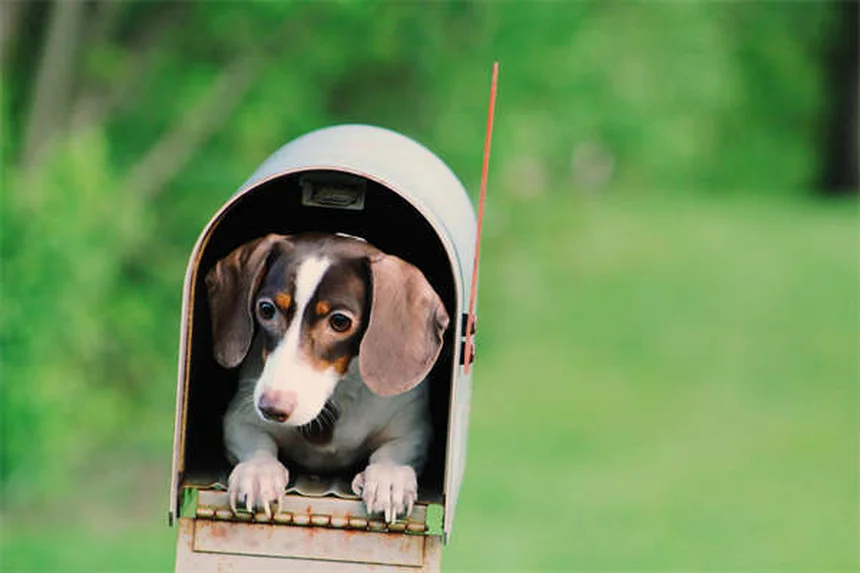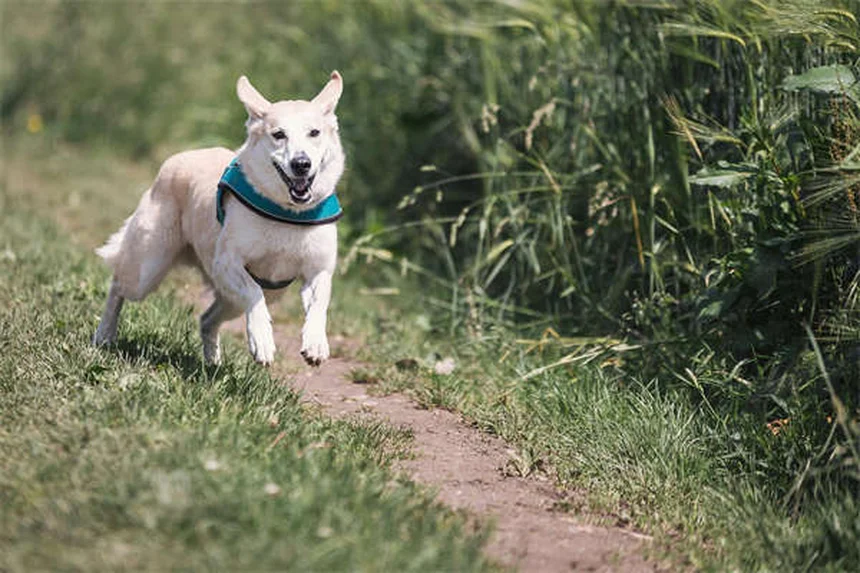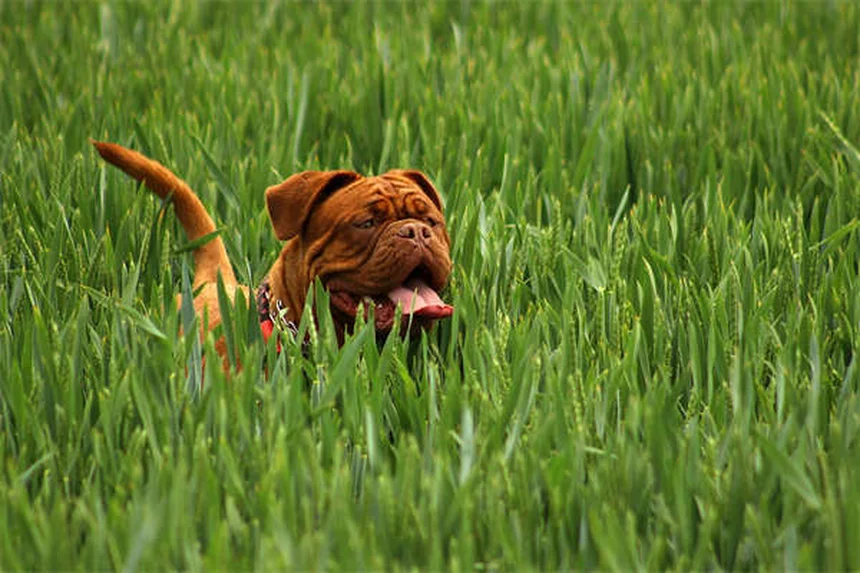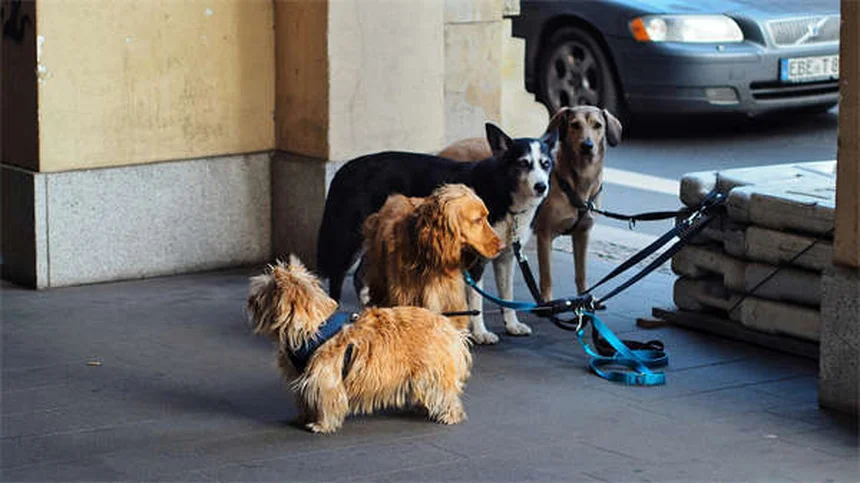

Are holiday plants dangerous for dogs? The answer is: Yes, many common holiday plants can be toxic to your furry friend! About 1 in 3 pet poisonings happen during the holidays, and plants are a major culprit. I've seen too many cases where curious pups get into festive decorations and end up at the emergency vet. From holly to mistletoe, these plants might look pretty but they can cause serious health issues for your dog. The good news? With some simple precautions, you can keep your pup safe while still enjoying your holiday decor. Let me walk you through the most dangerous plants and what to watch out for.
E.g. :How Do Dogs Think? 5 Mind-Blowing Facts About Canine Cognition
- 1、Holiday Plants That Can Harm Your Furry Friend
- 2、Christmas Decorations That Can Ruin the Holidays
- 3、Lesser-Known Holiday Plant Dangers
- 4、What To Do When Disaster Strikes
- 5、When to Rush to the Vet
- 6、Creating a Dog-Safe Holiday Home
- 7、Hidden Holiday Hazards You Might Not Know About
- 8、Unexpected Holiday Kitchen Dangers
- 9、Outdoor Holiday Hazards
- 10、Creating a Safe Holiday Routine
- 11、Emergency Preparedness
- 12、FAQs
Holiday Plants That Can Harm Your Furry Friend
Hey there pet parents! Let's talk about something super important - keeping your dog safe around holiday plants. You know how curious pups can be, right? Those wagging tails and sniffing noses might lead them straight to your festive decorations. About 1 in 3 pet poisonings happen during the holidays, and plants are a big part of that statistic.
Holly - More Than Just a Pretty Decoration
Picture this: you've got this beautiful holly wreath on your door with those shiny red berries. Looks amazing, but did you know it's like a neon "eat me" sign for your dog?
The dangers: Those prickly leaves and tempting berries contain saponins that can really mess with your pup's stomach. We're talking vomiting, diarrhea, and serious drooling. In bad cases, your dog might even have trouble walking straight. Pro tip: If you see your dog munching on holly, don't wait - call your vet immediately. Better safe than sorry!
Mistletoe - Kiss Your Dog's Health Goodbye?
Here's something you probably didn't know: not all mistletoe is created equal. The American version? Not great but usually not deadly. The European variety? That's where things get really scary.
| Type of Mistletoe | Danger Level | Symptoms |
|---|---|---|
| American | Moderate | Vomiting, diarrhea, loss of appetite |
| European | Severe | Abnormal heart rate, high blood pressure, organ damage |
The scary part? Your dog might not show obvious signs at first. That's why it's crucial to call your vet right away if you suspect any mistletoe munching happened.
Christmas Decorations That Can Ruin the Holidays
 Photos provided by pixabay
Christmas Trees - Not Just a Tripping Hazard
Ever wonder why your dog keeps sniffing around the Christmas tree? Turns out, those pine needles are like nature's potato chips to some pups!
Real trees can cause stomach issues and even blockages if your dog eats too many needles. Artificial trees aren't much better - those plastic needles can be just as dangerous. And let's not forget about the tree water - it's basically a cocktail of bacteria and fertilizers that can make your dog super sick.
Amaryllis - Beautiful but Deadly
These stunning flowers are holiday favorites, but every part of them is toxic to dogs. The bulb is especially dangerous - it's like nature's version of a toxic candy bar for curious canines.
Did you know that just one amaryllis bulb can cause seizures in a medium-sized dog? That's why I always recommend keeping these plants completely out of reach - like on high shelves or in rooms your dog can't access.
Lesser-Known Holiday Plant Dangers
Snowdrops - Not as Innocent as They Look
These delicate white flowers might seem harmless, but they pack a serious punch. The bulbs contain something called galantamine, which can cause everything from vomiting to seizures.
Here's a scary thought: What if your dog digs up the bulbs when you're not looking? That's why I suggest either avoiding these plants altogether or keeping them in hanging baskets where paws can't reach them.
 Photos provided by pixabay
Christmas Trees - Not Just a Tripping Hazard
Okay, let's clear something up - poinsettias aren't as deadly as everyone thinks. But that doesn't mean they're safe!
While they probably won't kill your dog, they can definitely make them miserable. We're talking drooling, vomiting, and diarrhea - not exactly the holiday memories you want to make. Fun fact: The milky sap in these plants is what causes the irritation, kind of like nature's version of hot sauce.
Yew - The Silent Killer
This one's particularly scary because it's so common in holiday decorations. Those pretty red berries might look tasty, but the seeds inside are extremely toxic.
Did you know that just a few yew needles can be fatal to a small dog? That's why I never use real yew in my holiday decorations. There are plenty of safe alternatives that look just as good!
What To Do When Disaster Strikes
First Response - Don't Panic!
Okay, let's say the worst happens and you catch your dog eating a toxic plant. What now? First, take a deep breath - I know it's scary, but staying calm will help you think clearly.
Step 1: Remove any plant material from your dog's mouth if you can do it safely. Step 2: Save a sample of the plant - your vet will need it for identification. Step 3: Call your vet or the Pet Poison Helpline immediately.
 Photos provided by pixabay
Christmas Trees - Not Just a Tripping Hazard
You know what they say - an ounce of prevention is worth a pound of cure. Here are my top tips for keeping your dog safe:
• Keep all plants out of reach - high shelves or closed rooms work best
• Consider artificial plants - they look real but won't harm your pup
• Train your dog with the "leave it" command - it could save their life
• Create a dog-friendly zone away from holiday decorations
Remember, the holidays should be fun for everyone - including your four-legged family members. With a little planning and awareness, you can keep your pup safe while still enjoying all the festive decorations!
When to Rush to the Vet
Red Flags You Should Never Ignore
Some symptoms mean you need to get to the vet immediately - no waiting around. Here's what to watch for:
• Difficulty breathing
• Seizures or tremors
• Collapse or inability to stand
• Excessive vomiting or diarrhea (more than 2-3 times)
• Any neurological symptoms like disorientation
If you see any of these, don't wait - grab your keys and go. Every minute counts when dealing with plant poisoning!
The Phone Call That Could Save Your Dog's Life
Ever wonder what information your vet needs when you call about possible poisoning? Here's exactly what to have ready:
1. Your dog's weight and age
2. What plant they ate (bring a sample if possible)
3. How much they might have eaten
4. When it happened
5. Any symptoms you've noticed
Having this info ready can save precious time when every second counts. I recommend keeping it written down somewhere handy, just in case.
Creating a Dog-Safe Holiday Home
Decorating Without the Danger
Who says you can't have beautiful holiday decor that's also safe for your pup? Here are some of my favorite dog-friendly alternatives:
• Use artificial plants instead of real ones
• Choose pinecone decorations instead of berries
• Hang wreaths high on doors where dogs can't reach
• Use bitter apple spray on lower decorations to deter chewing
With a little creativity, you can create a festive atmosphere that won't put your dog at risk. After all, what's more important than keeping our furry family members safe?
The Ultimate Holiday Safety Checklist
Before you deck the halls, run through this quick safety check:
✓ All plants are out of reach or artificial
✓ No toxic berries within paw's reach
✓ Tree is securely anchored (no tipping hazards)
✓ Electrical cords are hidden or covered
✓ Chocolate and other toxic foods are stored safely
There you have it - everything you need to know to keep your dog safe this holiday season. Now go enjoy those festive celebrations with peace of mind!
Hidden Holiday Hazards You Might Not Know About
Christmas Cactus - Not as Harmless as It Seems
You might think those pretty Christmas cactus plants are safe since they're not on most toxic plant lists. But here's the thing - while they won't poison your dog, those spiky segments can cause serious mouth and throat irritation if chewed.
I learned this the hard way when my golden retriever, Max, decided to sample my holiday centerpiece. The vet bill for removing cactus spines from his gums cost more than all my Christmas presents combined! Now I keep these plants on high windowsills or use artificial versions instead.
Essential Oils in Holiday Scents
Did you know those festive pine and cinnamon diffusers could be dangerous for your pup? Many holiday essential oils contain compounds that dogs can't metabolize properly.
Here's a quick comparison of common holiday scents and their effects:
| Essential Oil | Safe for Dogs? | Potential Effects |
|---|---|---|
| Peppermint | No | Liver damage, nervous system issues |
| Cinnamon | No | Mouth irritation, low blood sugar |
| Pine | Maybe | Mild stomach upset in small amounts |
Ever wonder why your dog sneezes when you plug in those holiday air fresheners? Their sense of smell is about 10,000 times stronger than ours - imagine getting a face full of cinnamon at that intensity!
Unexpected Holiday Kitchen Dangers
Leftover Wrapping Paper Risks
After presents are opened, many dogs see crumpled wrapping paper as the world's best chew toy. But those shiny papers often contain heavy metals and dyes that can be toxic if ingested.
Last year, my neighbor's lab ate half a roll of metallic gift wrap. The emergency vet had to induce vomiting and administer activated charcoal - not exactly the Christmas memory they wanted to make! Now we keep all wrapping supplies in closed cabinets until trash pickup day.
Holiday Baking Ingredients
You probably know chocolate is bad for dogs, but what about other common baking ingredients? Xylitol (found in sugar-free treats), nutmeg, and even raisins can cause serious health issues.
Here's a scary thought - did you know just 1/8 teaspoon of nutmeg can cause seizures in a small dog? That's less than what's in a single Christmas cookie! I keep all my baking supplies in child-proof containers after my beagle figured out how to open the spice cabinet.
Outdoor Holiday Hazards
Ice Melts and Antifreeze
Winter brings its own set of dangers with de-icing products and antifreeze. Many ice melts contain salts that can burn paw pads, while antifreeze has a sweet taste that attracts dogs but is extremely toxic.
After walking my dog last winter, I noticed him licking his paws obsessively. Turns out the sidewalk salt had caused chemical burns between his toes! Now I rinse his paws after every walk and use pet-safe ice melt on my own driveway.
Frozen Water Dangers
Those picturesque frozen ponds and birdbaths can be deadly if your dog falls through thin ice. Even shallow decorative fountains pose a risk if the water is cold enough to cause hypothermia.
Did you know dogs can develop "cold water shock" just like humans? Their bodies react by gasping for air, which can lead to drowning even in shallow water. I always supervise my dog around any winter water features now.
Creating a Safe Holiday Routine
Managing Holiday Stress
All these decorations and visitors can stress out your dog more than you realize. Signs like excessive panting, hiding, or loss of appetite might mean your pup needs a break from the festivities.
I created a "safe space" for my dog with his bed, favorite toys, and a white noise machine to drown out holiday chaos. It's made a huge difference in his stress levels during parties and family gatherings.
Travel Safety Tips
If you're traveling with your pet this season, remember car safety too! Unsecured dogs can become dangerous projectiles in an accident, and extreme temperatures can be deadly in parked cars.
Ever wonder why your dog pants so much in the car? It's not just excitement - vehicle motion and unfamiliar environments can trigger anxiety. I always bring familiar blankets and make frequent rest stops to keep my dog comfortable on road trips.
Emergency Preparedness
Building a Pet First Aid Kit
Having basic supplies on hand can buy you crucial time in an emergency. Here's what I keep in my holiday pet first aid kit:
• Activated charcoal (vet-approved dosage)
• Hydrogen peroxide (for inducing vomiting)
• Digital thermometer (know normal temp is 101-102.5°F)
• Gauze pads and self-adhesive bandages
• Your vet's after-hours phone number
Remember, you should never induce vomiting without veterinary guidance - some toxins cause more damage coming back up!
Finding Emergency Care While Traveling
Visiting family for the holidays? Research emergency vets along your route and at your destination before you leave. Save their numbers in your phone and write them down in case you lose service.
I once had to rush my dog to an unfamiliar emergency clinic on Christmas Eve. Having their address and phone number ready saved us at least 20 minutes of frantic searching - time that could have made all the difference in an emergency.
E.g. :7 Common Holiday Plants Toxic to Dogs | PetMD
FAQs
Q: What holiday plants are most toxic to dogs?
A: The most dangerous holiday plants for dogs include holly, mistletoe (especially European varieties), amaryllis, yew, and snowdrops. These can cause anything from vomiting and diarrhea to seizures and even death in severe cases. I always tell my clients that holly berries might look festive but they're like little poison pills for pups. The American mistletoe is slightly less toxic than its European cousin, but both can cause serious heart issues. If you absolutely must have these plants, keep them completely out of reach - like on high shelves or behind closed doors.
Q: Are poinsettias really poisonous to dogs?
A: Here's the truth about poinsettias: they're not as deadly as people think, but they can still make your dog pretty sick. The milky sap in these plants acts like nature's hot sauce, causing drooling, vomiting, and diarrhea if your pup chews on the leaves. While they probably won't kill your dog, they'll definitely ruin your holiday plans with an emergency vet visit. I recommend keeping them out of reach or opting for artificial versions that look just as pretty without the risk.
Q: What should I do if my dog eats a toxic holiday plant?
A: First, don't panic - but act quickly! Remove any plant pieces from your dog's mouth if you can do it safely. Save a sample of the plant for identification (this helps your vet tremendously). Then immediately call your veterinarian or the Pet Poison Helpline at 855-764-7661. I can't stress enough how important it is to act fast - some toxins work within minutes. Don't wait for symptoms to appear, because by then it might be too late for effective treatment.
Q: How can I dog-proof my holiday decorations?
A: As someone who's decorated with dogs for years, here are my top safety tips: Use artificial plants instead of real ones, anchor your tree securely, keep all decorations above tail-wagging height, and create a dog-free zone around your most delicate decor. I also swear by bitter apple spray to deter chewing - just test it on a small area first to make sure it doesn't damage your decorations. Remember, no decoration is worth risking your dog's health!
Q: What symptoms mean I need to rush my dog to the vet?
A: These red flags mean emergency care is needed immediately: difficulty breathing, seizures, collapse, excessive vomiting/diarrhea (more than 2-3 episodes), or any neurological symptoms like disorientation. With plant toxins, minutes matter - don't wait to see if symptoms improve on their own. I've treated dogs who seemed fine at first but crashed suddenly hours later. When in doubt, call your vet or the poison hotline - it's always better to be safe than sorry with potential poisoning cases.