
How do dogs sweat? The answer might surprise you! Unlike humans who sweat all over, dogs primarily sweat through their paw pads. Those cute little paws contain merocrine sweat glands that release moisture when your pup gets hot or nervous. But here's the kicker - this paw sweating isn't their main cooling system. In fact, dogs rely more on panting and vasodilation (expanding blood vessels) to regulate their temperature. I've seen many dog owners make the mistake of shaving their double-coated breeds in summer, not realizing that fur actually helps insulate against heat! Whether you've got a panting Pug or a sweaty-pawed Shepherd, understanding how your dog cools down is crucial for keeping them safe in warm weather.
E.g. :5 Toxic Holiday Plants That Can Poison Your Dog (Must-Know List)
- 1、Wait... Dogs Actually Sweat?
- 2、The Cool Science Behind Dog Temperature Control
- 3、Heatstroke: Every Dog Owner's Nightmare
- 4、Pro Tips for Keeping Your Pup Cool
- 5、Fun Cooling Hacks Every Dog Owner Should Try
- 6、When To Call The Vet
- 7、Wait... Dogs Actually Sweat?
- 8、The Cool Science Behind Dog Temperature Control
- 9、Heatstroke: Every Dog Owner's Nightmare
- 10、Pro Tips for Keeping Your Pup Cool
- 11、Fun Cooling Hacks Every Dog Owner Should Try
- 12、When To Call The Vet
- 13、FAQs
Wait... Dogs Actually Sweat?
Paws Are Their Sweat Factories
You know how we humans get all sweaty under our arms and forehead when it's hot? Well, dogs have their own sweat system - but it's totally different! Their main sweat glands are in their paw pads, which means you might occasionally see damp paw prints on your floor when Fido's feeling nervous or overheated.
Here's the wild part - while we have sweat glands all over our bodies, dogs only have two types: merocrine (in their paws) and apocrine (all over their body). The paw sweat helps with cooling a tiny bit, while the body sweat is more about sending doggy messages through pheromones. And no, dog sweat doesn't stink like human sweat - that's bacteria mixing with our sweat, not theirs!
Why Panting Beats Sweating
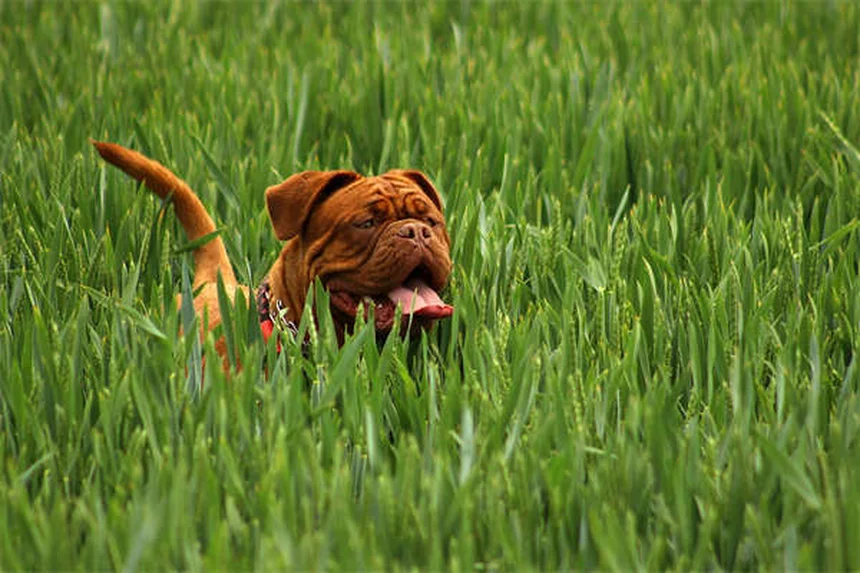
Ever wondered why your dog pants like crazy after playing fetch? That's their superpower cooling system! When they pant, they're evaporating moisture from their tongue and airways, which cools them down way more effectively than their little paw sweat glands ever could.
Here's a fun fact: On a hot day, a dog's tongue can move up to 300 panting breaths per minute! That's like us doing 5 breaths every second - try that and you'll see why panting works so well for them.
The Cool Science Behind Dog Temperature Control
 Photos provided by pixabay
Blood Vessels: Nature's AC System
Dogs have this amazing trick called vasodilation - basically their blood vessels expand to bring warm blood closer to the skin surface. This is why your dog's ears might turn pink when they're hot - all that blood rushing to the surface!
Think of it like opening windows in a hot house. The blood vessels in their face and ears act like those windows, letting heat escape. This system works so well that some breeds like Greyhounds actually have special networks of blood vessels in their ears just for cooling!
Fur: More Than Just Fashion
Would you believe that a dog's coat is actually designed to keep them cool in summer? It's true! Their fur acts like insulation, slowing down heat transfer from the hot air to their skin. That's why shaving double-coated breeds (like Huskies or Golden Retrievers) in summer is actually worse for them!
| Dog Coat Type | Summer Care | Winter Care |
|---|---|---|
| Double Coat (Huskies, Shepherds) | Brush regularly, never shave | Natural protection |
| Single Coat (Poodles, Yorkies) | Can be trimmed short | May need sweater |
Heatstroke: Every Dog Owner's Nightmare
When Cooling Systems Fail
Did you know that a car can become deadly for a dog in just 10 minutes on a warm day? Even at 70°F outside, the inside of a car can reach 100°F in under half an hour. That's why we should never leave our furry friends in the car - not even "just for a minute."
Here are the scary signs of heatstroke every pet parent should memorize:
- Bright red gums (should normally be bubblegum pink)
- Excessive drooling that looks like thick syrup
- Stumbling like they're drunk
- Panting that won't stop even when resting
 Photos provided by pixabay
Blood Vessels: Nature's AC System
Pugs, Bulldogs, and other flat-faced breeds have it extra tough in hot weather. Their short airways make panting less effective, meaning they can overheat much faster than other dogs. I always tell my flat-faced dog owners to be extra careful - these pups might need air conditioning when others are just fine with a fan.
Pro Tips for Keeping Your Pup Cool
Hydration Station
You wouldn't run a marathon without water, right? Same goes for your dog! Always bring water on walks, and consider getting one of those cool collapsible bowls. I've even seen creative owners freeze chicken broth into ice cubes for a refreshing summer treat!
Here's a trick I love: Place multiple water bowls around your house and yard. Dogs are more likely to drink when water is convenient, just like how we're more likely to grab water from the fridge than walk to the kitchen sink.
Timing Is Everything
Ever walked barefoot on hot pavement? Ouch! Now imagine doing that with bare paws. Test pavement with your hand - if it's too hot for you, it's too hot for your dog. Schedule walks for early morning or late evening when temperatures drop.
Did you know some cities now have "doggy days" where they turn on sprinklers in parks during heat waves? Check your local community boards for cool events like this - it's a great way to socialize your pup while keeping them comfortable.
Fun Cooling Hacks Every Dog Owner Should Try
 Photos provided by pixabay
Blood Vessels: Nature's AC System
You can make a simple cooling mat by filling a ziplock bag with water and cornstarch (about 2:1 ratio), then freezing it. The cornstarch keeps it flexible when frozen, and most dogs love lying on it! Just put a towel between the mat and your dog to prevent frostbite.
Another fun idea: Freeze your dog's favorite toys in a block of ice. They'll have a blast licking and pawing at it to get to the toy, while staying cool in the process. It's like a puzzle toy and cooling system in one!
Pool Party!
Many dogs love kiddie pools - just make sure to supervise them. Start with just an inch or two of water until you know how your dog reacts. Pro tip: Add some floating toys to encourage them to get in, and always rinse them off afterward to prevent skin irritation from chlorine or salt water.
Remember that not all dogs are natural swimmers - some breeds like Bulldogs can actually sink because of their body shape. Always stay close when introducing your dog to water, and consider a doggy life vest for safety.
When To Call The Vet
Better Safe Than Sorry
Here's a question I get all the time: "How do I know if my dog is just hot or actually in danger?" The answer? If you're asking that question, it's probably time to call your vet. Early intervention can mean the difference between a quick recovery and permanent damage.
Some warning signs that need immediate attention:
- Vomiting or diarrhea (especially with blood)
- Seizures or collapse
- Gums turning from red to pale or blue
- No response when you call their name
First Aid Basics
While rushing to the vet, you can help by:
- Moving your dog to a cool area
- Offering small amounts of cool (not ice cold) water
- Using room temperature water to wet their paws and belly
- Running a fan over them if possible
Remember - never use ice or ice water! This can actually make things worse by causing blood vessels to constrict. Think of it like shocking a hot glass with cold water - you don't want that kind of sudden change for your pup's system.
Wait... Dogs Actually Sweat?
Paws Are Their Sweat Factories
You might be surprised to learn that dogs have a unique cooling mechanism that's completely different from ours. While we humans sweat buckets when exercising, dogs rely on their paw pads as mini air conditioners. Next time your dog leaves wet footprints on your kitchen floor, that's their version of sweating!
Here's something fascinating - dogs have two types of sweat glands, but only one actually helps with temperature regulation. The merocrine glands in their paws produce watery sweat similar to ours, while the apocrine glands all over their body release pheromones for communication. Isn't it wild how nature designed this system?
Why Panting Beats Sweating
Have you ever noticed how your dog turns into a little steam engine after playing fetch? That's because panting is 10 times more effective at cooling them down than their limited sweat glands. When they stick out their tongue and breathe rapidly, they're creating evaporation that lowers their body temperature.
Here's a cool comparison: While humans might sweat out 1-2 liters per hour during intense exercise, a large dog can lose up to 400 milliliters of water per hour just through panting! That's why keeping them hydrated is absolutely crucial in hot weather.
The Cool Science Behind Dog Temperature Control
Photos provided by pixabay
Blood Vessels: Nature's AC System
Dogs have this incredible built-in cooling feature called vasodilation - where their blood vessels expand to release heat. This is why your dog's ears might look flushed after a long walk. It's like opening all the windows in your house during summer!
Some breeds have evolved special adaptations for this. Greyhounds, for example, have extensive blood vessel networks in their ears that act like radiators. When they're hot, blood rushes to these thin-skinned areas where heat can escape more easily. Pretty smart design, right?
Fur: More Than Just Fashion
Would you believe your dog's coat is actually helping them stay cool? That fluffy fur creates insulating air pockets that slow down heat transfer from the environment. It works like the thermos you use for iced coffee - keeping the heat out just as well as it keeps warmth in during winter.
Here's a common mistake many owners make: shaving double-coated breeds in summer. This actually removes their natural protection! The undercoat acts like insulation while the guard hairs reflect sunlight. Without this protection, they can actually get sunburned and overheat faster.
| Cooling Method | Human Equivalent | Dog Advantage |
|---|---|---|
| Panting | Breathing heavily | 10x more efficient than sweating |
| Vasodilation | Flushed skin | Specialized ear networks in some breeds |
| Paw sweating | Hand sweating | Leaves scent markers while cooling |
Heatstroke: Every Dog Owner's Nightmare
When Cooling Systems Fail
Did you know that dogs can develop heatstroke at temperatures that feel comfortable to us? Their normal body temperature ranges from 101-102.5°F, and just a few degrees higher can be dangerous. That's why we need to be extra vigilant during warm weather.
Here's a scary fact: Unlike humans who can sweat all over, dogs can't shed heat as efficiently. Once their internal temperature hits about 106°F, their organs start cooking - literally. The proteins in their cells begin to denature, just like egg whites cooking in a pan.
Photos provided by pixabay
Blood Vessels: Nature's AC System
Why do flat-faced breeds struggle more in heat? Their shortened airways create perfect storm conditions for overheating. Imagine trying to cool down while breathing through a straw - that's what it's like for Bulldogs and Pugs on a hot day.
These breeds often need special accommodations like:
- Air-conditioned rooms when others are fine with fans
- Shorter, more frequent walks instead of long sessions
- Cooling vests or mats as preventive measures
- Extra monitoring for signs of distress
Pro Tips for Keeping Your Pup Cool
Hydration Station
You know that refreshing feeling when you drink cold water on a hot day? Your dog craves that too! I always recommend adding ice cubes to their water bowl - it keeps the water cooler longer and many dogs enjoy playing with the cubes.
Here's a genius trick I learned from a dog trainer: Freeze low-sodium chicken broth in an ice cube tray for a tasty, hydrating treat. It's like a popsicle for pups! Just be sure to supervise them so they don't choke on large pieces.
Timing Is Everything
Ever notice how pavement feels like a frying pan in midday sun? That's because asphalt can reach 140°F when air temperature is just 85°F - hot enough to fry an egg! I always do the "five-second test" - if I can't keep my hand on the pavement for five seconds, it's too hot for paws.
Some cities are getting creative with dog-friendly solutions. Phoenix, Arizona has installed paw-friendly artificial turf in some dog parks, while other cities offer "cooling stations" with misters during heat waves. Check your local parks department for similar amenities!
Fun Cooling Hacks Every Dog Owner Should Try
Photos provided by pixabay
Blood Vessels: Nature's AC System
You can create an inexpensive cooling mat by filling a pillowcase with rice and freezing it. The rice holds cold longer than ice packs and molds to your dog's body. Just be sure to wrap it in a towel to prevent frostbite - we want comfort, not popsicle pups!
Another fun idea: Make "pupsicles" by freezing dog-safe fruits like blueberries or watermelon chunks in water. Use a muffin tin for perfect portion sizes. Watching your dog lick at the frozen treat is both adorable and practical!
Pool Party!
Not all dogs are natural swimmers, but most enjoy splashing in shallow water. Start with just a few inches in a kiddie pool - enough to wet their belly but not so deep they panic. I've found that floating toys encourage hesitant dogs to enter the water.
Remember that pool safety applies to dogs too! Always rinse off chlorine or salt water afterward, and never leave your dog unattended near water. Even strong swimmers can get tired or caught in currents.
When To Call The Vet
Better Safe Than Sorry
Here's a question I hear constantly: "Am I overreacting by calling the vet?" When it comes to heatstroke, there's no such thing as overreacting. The damage happens quickly, and early treatment can save your dog's life.
Some less obvious signs of trouble include:
- Unusual lethargy or disorientation
- Refusal to drink water despite panting heavily
- Dry, sticky gums instead of wet ones
- Rapid heartbeat that doesn't slow with rest
First Aid Basics
While transporting your dog to the vet, you can:
- Wet their paw pads and belly with cool (not cold) water
- Place them near a fan or car AC vent
- Offer small amounts of water if they're conscious
- Monitor their temperature if you have a pet thermometer
Remember - the goal is gradual cooling, not shock treatment. Think of it like defrosting meat safely in the fridge rather than running it under hot water. Sudden temperature changes can be dangerous!
E.g. :Do Dogs Sweat?
FAQs
Q: Do dogs sweat like humans do?
A: Dogs sweat differently than humans, and here's how it works. While we have sweat glands all over our bodies, dogs mainly sweat through their paw pads. Those damp paw prints you sometimes see? That's their version of sweating! They have two types of sweat glands - merocrine glands in their paws (for minimal cooling) and apocrine glands all over their body (for pheromone communication). But here's what's fascinating: panting is actually 10 times more effective for cooling than their paw sweating. I always tell my clients that if you're relying on seeing sweat to know if your dog is hot, you're missing the bigger picture. Watch for excessive panting instead!
Q: Why do dogs pant instead of sweating?
A: Panting is nature's brilliant design for canine cooling. When your dog pants, they're moving air rapidly over their tongue and respiratory tract, causing evaporation that cools them down. Think of it like opening all the windows in a hot house! A dog's tongue can pant up to 300 times per minute - try doing that yourself and you'll see why it works so well. The blood vessels in their face and ears also expand (that's vasodilation) to release heat. This system is so efficient that some breeds like Greyhounds have special cooling networks in their ears. Next time your dog pants after playtime, remember - they're basically running their AC system!
Q: Should I shave my dog in summer to keep them cool?
A: This is one of the most common mistakes I see dog owners make. Unless your dog has a single coat (like Poodles or Yorkies), shaving can actually make them hotter! Double-coated breeds like Huskies and Golden Retrievers have fur that acts like insulation - it slows down heat transfer from the air to their skin. Shaving removes this natural protection and exposes their skin to sunburn. Instead of shaving, focus on regular brushing to remove dead undercoat, provide shade, and always have fresh water available. I've found that using cooling mats or frozen treats works much better than shaving for keeping dogs comfortable in heat.
Q: What are the signs of heatstroke in dogs?
A: Recognizing heatstroke early can save your dog's life. Watch for these warning signs: bright red gums (instead of normal pink), thick drool that looks like syrup, stumbling like they're drunk, and panting that won't stop even when resting. Some dogs may vomit or have diarrhea, and in severe cases, they might collapse or have seizures. Flat-faced breeds (like Bulldogs and Pugs) are especially at risk because their short airways make panting less effective. If you suspect heatstroke, get to a vet immediately - every minute counts! While transporting your dog, use cool (not cold) water on their belly and paws, and run a fan if possible.
Q: How can I keep my dog cool in hot weather?
A: Here are my top 5 cooling strategies that actually work: 1) Walk your dog early morning or late evening when temperatures drop (test pavement with your hand first). 2) Provide multiple water stations around your home - dogs drink more when water is convenient. 3) Try DIY cooling mats (frozen water/cornstarch mix in a ziplock bag works great). 4) Set up a kiddie pool with just an inch or two of water for paw-dipping. 5) Freeze your dog's favorite toys in ice blocks for a fun, cooling challenge. Remember, never leave your dog in a parked car - temperatures can become deadly in just 10 minutes!