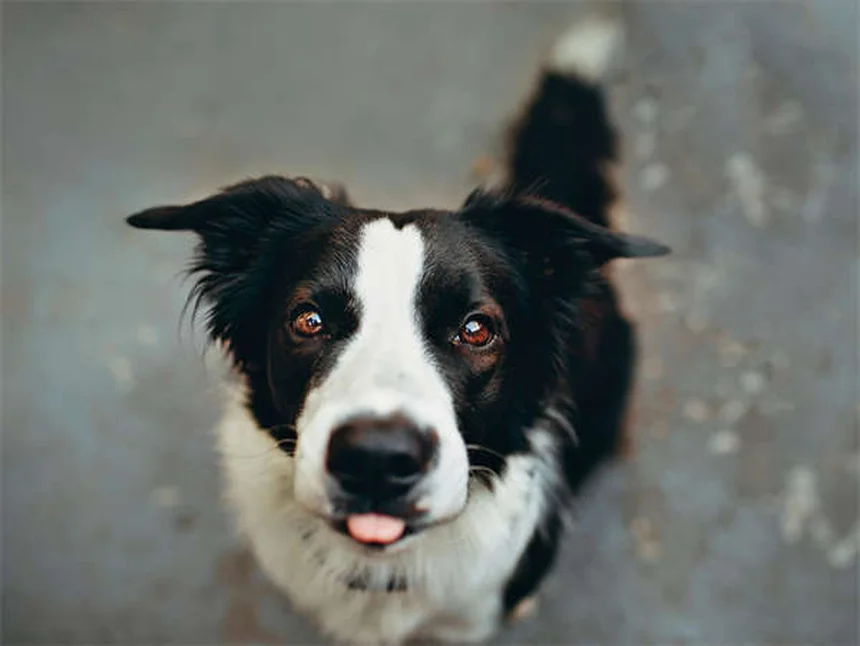

Thinking about pet adoption? The answer is: Adopting a pet can be one of the most rewarding decisions you'll ever make! I've helped countless families find their perfect furry matches, and let me tell you - shelter pets often make the most amazing companions. Whether you're looking for a playful puppy or a mellow senior cat, adoption gives you the chance to save a life while gaining unconditional love.But here's the thing - not all adoption experiences are created equal. That's why we've put together this complete guide to walk you through everything from choosing the right pet to budgeting for your new family member. You'll learn why breed isn't everything, how to navigate different adoption options, and what questions to ask before bringing home your new best friend.As someone who's worked in animal rescue for years, I can't stress enough how important it is to find the right match for your lifestyle. That energetic Border Collie might look adorable, but will he fit your apartment living? That shy cat could blossom into the perfect lap cat - if you're patient. Let's dive into what makes pet adoption so special and how to do it right!
E.g. :5 Scent Walk Secrets: Unleash Your Dog's Super Sniffer Today!
- 1、Finding Your Perfect Furry Match
- 2、Where to Find Your New Best Friend
- 3、Budgeting for Your New Family Member
- 4、Special Considerations Before Adopting
- 5、Making It Official
- 6、Final Thoughts
- 7、Beyond the Basics: Unexpected Perks of Pet Ownership
- 8、Creative Solutions for Busy Pet Parents
- 9、Adoption Myths That Need Busting
- 10、Making Your Home Pet-Ready
- 11、When Pets Change Your Perspective
- 12、FAQs
Finding Your Perfect Furry Match
Why Breed Isn't Everything
You might think you want a Golden Retriever because your neighbor has one, but let me tell you - shelter pets will surprise you! I've seen couch potato German Shepherds and hyperactive Basset Hounds that completely defy breed stereotypes. The truth is, personality matters way more than pedigree when choosing a family member.
Here's a funny story - my friend Sarah went to adopt a "calm lap cat" but fell in love with a 12-pound tabby who plays fetch better than most dogs! That's why we always recommend spending quality time with potential pets before deciding. Bring your kids, see how the animal reacts to noise, and imagine them in your daily routine.
Lifestyle Compatibility Checklist
Ask yourself these crucial questions:
- Can you handle 6am walks in the rain?
- Does your apartment allow pets over 25 pounds?
- Are you ready for the "teenage phase" when puppies chew everything?
Pro tip: Older dogs (3+ years) often come house-trained and past the destructive phase. My first adopted dog was 5 years old - he already knew "sit," didn't chew shoes, and slept through the night. Total game changer for busy professionals!
Where to Find Your New Best Friend
 Photos provided by pixabay
Shelters vs. Rescue Groups
Ever wonder why adoption processes vary so much? Here's the scoop:
| Location Type | Average Fee | Wait Time | Best For |
|---|---|---|---|
| City Shelter | $50-150 | Same day | Quick adoptions |
| Rescue Group | $200-500 | 1-4 weeks | Special needs pets |
Fun fact: Many rescue groups post their available pets on Petfinder.com - it's like online dating for animal lovers! I helped my cousin find her perfect senior cat there last winter.
The Foster Advantage
Why are foster pets often easier to adopt? Simple - they've been living in real homes! Foster parents can tell you:
- If Fluffy hates vacuum cleaners
- Whether Rover gets along with other dogs
- What treats make them do happy dances
Remember that time I fostered a beagle who howled along to Taylor Swift songs? That's the kind of quirky info you only get from foster families! Most shelters will gladly connect you with current fosters for the inside scoop.
Budgeting for Your New Family Member
Upfront Costs Breakdown
Let's talk numbers - adoption might seem expensive until you see what's included:
- Spay/neuter surgery ($200-500 at private vets)
- Vaccinations ($50-100 per round)
- Microchip ($40-75 separately)
Here's the kicker - many shelters bundle all this into their $150 adoption fee. That's like getting a smartphone for the price of a case! I always tell first-time adopters - you're actually saving money while saving lives.
 Photos provided by pixabay
Shelters vs. Rescue Groups
But wait - what about after adoption? Here's what my vet friend recommends budgeting monthly:
- Food: $30-80 (big dogs eat more!)
- Preventative meds: $20-50
- Toys/treats: $15-30
Pro tip: Pet insurance can save thousands in emergencies. My neighbor's French Bulldog needed $8,000 back surgery last year - insurance covered 90%! Most providers offer plans starting at $25/month.
Special Considerations Before Adopting
Breed Restrictions Demystified
Did you know some cities ban specific breeds? Here's what you need to check:
- Local laws (call your city hall)
- Apartment/HOA rules
- Insurance policies
Funny story - my brother adopted what he thought was a "Lab mix" until the DNA test came back 50% American Staffordshire Terrier! Always verify breed labels with shelter staff - sometimes they're just educated guesses.
The Fostering Alternative
Not ready for a 10+ year commitment? Try fostering! Benefits include:
- No long-term financial burden
- Shelter provides supplies
- Flexible time commitments
Here's my favorite fostering story - a college student took in a shy cat "just for finals week." Two years later, that scaredy-cat is now the most confident lap cat I've ever met! Sometimes temporary becomes permanent in the best way.
Making It Official
 Photos provided by pixabay
Shelters vs. Rescue Groups
What actually happens when you adopt? Typically:
- Application (takes 10-30 minutes)
- Meet-and-greet (the fun part!)
- Home check (sometimes virtual now)
Quick tip: Bring your whole family to meet potential pets. I once saw a toddler and a senior dog become instant best friends - that's when you know it's meant to be!
Post-Adoption Support
Did you know most shelters offer:
- Free training consultations
- Behavior hotlines
- 30-day health guarantees
My local shelter even has a "new pet parent" group chat where adopters share tips and photos. You're not just getting a pet - you're joining a community! Don't be afraid to ask for help during the adjustment period.
Final Thoughts
Why Adoption Matters
Every adoption makes space for another animal in need. Here's what that looks like:
- 1 adoption = 1 life saved
- 1 foster home = 2 lives helped
- 1 volunteer hour = countless tails wagged
I'll never forget the senior Chihuahua I adopted last year - his previous owner passed away, and he spent months in the shelter. Now? He sunbathes in my garden every afternoon. That's the magic of adoption.
Your Next Steps
Ready to start your journey? Here's how:
- Visit local shelters this weekend
- Follow rescues on social media
- Ask friends about their adoption stories
Remember - there's no "perfect" time to adopt, just like there's no perfect time to have kids. The right pet will fit into your life in ways you never expected. Now go meet your future best friend!
Beyond the Basics: Unexpected Perks of Pet Ownership
Health Benefits You Never Saw Coming
Did you know pet owners visit doctors 15% less often than non-pet owners? That wagging tail at your door does more than greet you - it literally lowers your blood pressure! My doctor friend swears by "dog therapy" for his patients with anxiety.
Here's something wild - kids raised with pets develop stronger immune systems. I watched my niece go from constant allergies to practically bulletproof after we adopted a Labrador. Science says exposure to pet dander trains young immune systems to chill out. Who knew slobbery dog kisses were medicinal?
The Social Superpower of Pets
Ever notice how everyone talks to the person walking the cute puppy? Pets are instant conversation starters - I've made more friends at the dog park than I ever did at networking events!
My shy neighbor adopted a parrot last year. Now? She's the most popular person in our building because Mr. Feathers sings showtunes in the lobby. Animals break down social barriers in ways humans just can't. Even my grumpy landlord smiles when my cat rubs against his legs!
Creative Solutions for Busy Pet Parents
Tech That Keeps You Connected
Worried about leaving pets alone? Check out these game-changers:
| Gadget | Price Range | Cool Feature |
|---|---|---|
| Smart Camera | $50-200 | Toss treats remotely |
| GPS Collar | $100-300 | Real-time location alerts |
| Automatic Feeder | $80-250 | Custom portion control |
I tested a camera that lets you talk to your pet - my cat ignored me but went nuts for the laser pointer feature! Modern pet tech means you're never really apart. Even better? Many shelters now offer tech demos to new adopters.
Community Support Systems
Why struggle alone when you can tap into these resources?
- Pet-sitting exchanges (trade walks with neighbors)
- Vet payment plans (most clinics offer them)
- Food banks with pet supplies (yes, they exist!)
Last winter, our neighborhood started a "dog walking brigade" for snowbound seniors. We ended up with happier dogs AND closer community ties. Your local buy-nothing group probably has free pet supplies too - I got a barely-used cat tree that way!
Adoption Myths That Need Busting
"Shelter Pets Have Too Much Baggage"
Is this really true? Heck no! Most surrendered pets aren't "problem animals" - they're victims of human circumstances. The top reasons pets enter shelters?
- Owner moving (28%)
- Financial issues (22%)
- Landlord issues (16%)
My coworker adopted a purebred Persian cat because the owner developed allergies. That floofball now rules his apartment like royalty! Shelter pets aren't damaged goods - they're resilient survivors. Many just need stability to blossom.
"You Can't Find Purebreds at Shelters"
Think again! About 25% of shelter dogs are purebreds. Breed-specific rescues exist for everything from Dachshunds to Great Danes. I volunteer with a group that rehomes retired show cats - last month we placed a stunning Bengal!
Here's a pro tip: Follow local shelters on Instagram. They often post "coming soon" alerts when purebreds arrive. My sister snagged a gorgeous Siberian Husky this way - the shelter hadn't even processed him yet!
Making Your Home Pet-Ready
Safety Upgrades You'll Both Love
Before bringing home your new buddy, try these simple fixes:
- Childproof latches on cabinets (curious noses get everywhere)
- Cord organizers (cats love dangling wires)
- Non-slip rugs (senior pets especially need traction)
I learned the hard way about houseplants - my cat nibbled a supposedly "pet-safe" fern and got an upset stomach. Now I use the ASPCA's toxic plant list as my shopping guide. Bonus? These changes make your place safer for human visitors too!
Creating Pet Zones
Why do pets need their own spaces? Because everyone needs a retreat! Designate:
- A quiet nap area (away from foot traffic)
- Play zones with appropriate toys
- Feeding stations on easy-to-clean surfaces
My apartment's tiny, but I carved out a "cat highway" using wall shelves. Watching Mr. Whiskers patrol his vertical territory never gets old! Even better? He stopped knocking over my knickknacks once he had better climbing options.
When Pets Change Your Perspective
Unexpected Life Lessons
What can animals teach us about living better? More than you'd think!
- Dogs demonstrate unconditional love daily
- Cats show the power of boundaries
- Small pets remind us to appreciate simple joys
My rescue rabbit taught me more about patience than any self-help book. Watching him gradually trust me transformed how I approach relationships. Now when friends struggle with new pets, I tell them - the slow progress is the sweetest part!
The Ripple Effect of Adoption
How does adopting one animal help many? Let me count the ways:
- Frees up shelter space for another animal
- Reduces demand for puppy mills
- Inspires others to consider adoption
After I adopted my scruffy mutt, three neighbors followed suit! Your adoption story could spark a chain reaction. That's why I always share my imperfect-but-perfect-for-me pet tales - they show the messy, wonderful reality of rescue life.
E.g. :The Ultimate Guide to Responsible Pet Adoption | PetMD
FAQs
Q: How do I choose between adopting a puppy or an adult dog?
A: Choosing between a puppy and an adult dog depends entirely on your lifestyle. Puppies are adorable, but they're basically furry toddlers that need constant supervision, potty training, and socialization. I've seen so many well-meaning adopters get overwhelmed by puppy energy! Adult dogs (3+ years) often come house-trained and past the destructive chewing phase. They're perfect for busy professionals or first-time dog owners. That said, if you've got the time and patience for training, raising a puppy can be incredibly rewarding. Pro tip: Many shelters offer "foster-to-adopt" programs so you can test the waters first!
Q: What's the real cost difference between adopting and buying from a breeder?
A: Let me break it down for you - adoption typically costs $50-500 depending on the organization, while breeders often charge $1,000+. But here's the kicker: adoption fees usually include spay/neuter surgery ($200-500 value), vaccinations ($100-300), and microchipping ($40-75). At breeders, these are all extra costs! Plus, many shelters provide free post-adoption vet checks and training resources. Over a dog's lifetime, adoption can save you thousands while giving a deserving pet a home. I always tell people - you're not just saving money, you're saving a life!
Q: How can I tell if a shelter pet will get along with my kids/cats/other dogs?
A: This is one of the most common concerns I hear from potential adopters. The best way is to ask about the pet's history and do proper introductions. Many shelters conduct behavior assessments and can tell you if a dog is kid-friendly or cat-tested. Foster-based rescues have even better insights since the pets live in homes. Always bring your family (including current pets if possible) to meet potential new additions. Watch for relaxed body language - wagging tails for dogs, slow blinks for cats. And remember - proper introductions take time! My golden rule: supervise all interactions for the first few weeks.
Q: What should I bring when going to meet potential pets at a shelter?
A: Great question! I recommend bringing your whole family, any current pets (if the shelter allows), a list of questions, and an open mind. Wear comfortable clothes you don't mind getting dirty - shelter pets might jump or drool when excited. Some shelters let you bring treats or toys, but check their policies first. Most importantly, bring patience! Finding the right match might take multiple visits. I've seen people come in wanting a small dog and leave with a giant lovable mutt who stole their heart. The perfect pet might surprise you!
Q: How long does the adoption process usually take?
A: Adoption timelines vary wildly depending on where you adopt. City shelters often do same-day adoptions (great for instant gratification!), while rescue groups might take 1-4 weeks with applications, home checks, and reference calls. Foster-based organizations typically move faster since they know the pets better. During kitten/puppy season (spring/summer), popular pets might get adopted within hours! My advice? Complete applications in advance and be ready to move quickly when you find "the one." The average adoption takes 2-7 days in my experience, but I've seen everything from 30 minutes to 6 weeks!