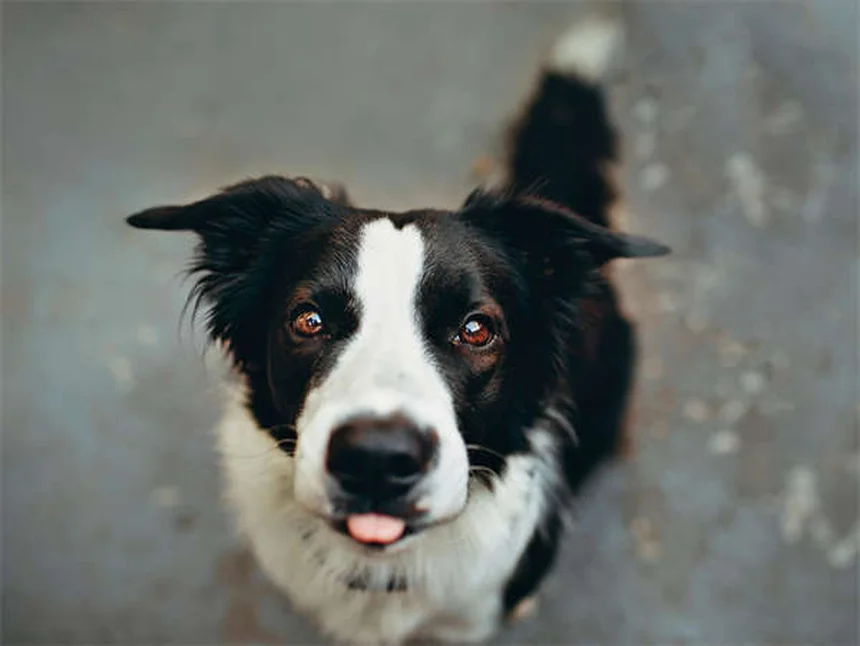

What is positive reinforcement in dog training? The answer is simple: It's the most effective and humane way to teach your furry friend new behaviors. Unlike old-school methods that rely on punishment, positive reinforcement focuses on rewarding good behavior with treats, praise, or playtime. I've seen firsthand how this approach transforms nervous dogs into confident learners and strengthens the bond between pets and their owners.Here's why it works so well: When you immediately reward your dog for doing something right, their brain makes a clear connection between the action and the positive outcome. Think of it like getting a bonus at work - wouldn't that make you want to perform better? The best part? You'll see results faster while actually enjoying the training process together. Let me show you how to make this powerful method work for your pup!
E.g. :How to Choose the Perfect Dog Crate Size for Your Pet
- 1、Understanding Positive Reinforcement Training
- 2、The Two Types of Reinforcement Explained
- 3、The Positive Reinforcement Movement
- 4、Mastering Positive Reinforcement Techniques
- 5、Pro Tips for Success
- 6、Troubleshooting Common Issues
- 7、Taking It to the Next Level
- 8、Beyond Basic Training: Real-World Applications
- 9、The Psychology Behind the Method
- 10、Customizing for Different Breeds
- 11、Training for Special Situations
- 12、Advanced Reward Systems
- 13、Common Myths Debunked
- 14、Building a Training Lifestyle
- 15、FAQs
Understanding Positive Reinforcement Training
The Science Behind It
Let me break it down for you - positive reinforcement isn't just about giving treats. It's a powerful learning method where we add something rewarding immediately after your dog performs the desired behavior. Think of it like getting a bonus at work for doing great - wouldn't that make you want to perform even better?
Here's what makes it special: It builds trust while teaching new skills. Unlike old-school methods that focus on punishment, we're creating happy learners who actually enjoy training sessions. The best part? It works for all dogs, from energetic puppies to stubborn seniors.
Why It Beats Other Methods
Ever wonder why some dogs seem scared during training? That's often because of negative methods. With positive reinforcement, we're creating a completely different experience:
| Method | Effect on Dog | Long-term Results |
|---|---|---|
| Positive Reinforcement | Happy, confident learner | Stronger bond, reliable behavior |
| Negative Methods | Fearful, stressed | Broken trust, potential aggression |
I've seen countless dogs transform from nervous wrecks to eager students just by switching to positive methods. One of my clients' Labradors went from hiding during training to bringing his leash when it was time for sessions!
The Two Types of Reinforcement Explained
 Photos provided by pixabay
Positive Reinforcement in Action
Picture this: You ask your dog to sit, they comply, and you immediately give a tasty treat. That's positive reinforcement at work! The key is timing - the reward must come within seconds of the behavior.
But here's something many people miss: The dog chooses what's rewarding. After dinner, your pup might prefer playtime over treats. During a walk, sniffing time could be the ultimate reward. I always tell my clients to keep a "reward menu" with different options for different situations.
The Truth About Negative Reinforcement
Now, let's clear up some confusion. Negative reinforcement isn't about being mean - technically it means removing something unpleasant when the dog behaves. But here's the catch:
Does this sound like good training? Imagine constantly exposing your dog to scary situations just to make them behave. That's why most modern trainers avoid it. The risks - like creating fearful dogs - just aren't worth it when we have better options.
The Positive Reinforcement Movement
More Than Just Training
This isn't just about teaching sit and stay. It's a whole philosophy of building relationships with our dogs based on trust rather than fear. Think of it as the difference between a strict boss who yells and a supportive mentor who guides you.
The results speak for themselves. Dogs trained this way are typically more confident, less stressed, and better problem-solvers. I've noticed they're also quicker to learn new tricks because they're actually having fun!
 Photos provided by pixabay
Positive Reinforcement in Action
Veterinary behaviorists and top trainers worldwide are switching to positive methods. Why? Because science shows it works better long-term. The American Veterinary Society of Animal Behavior actually recommends it as the most effective and humane approach.
Mastering Positive Reinforcement Techniques
Getting Started Right
Ready to try? Here's my simple 3-step process:
- Choose a simple command (like "sit")
- Wait for your dog to do it naturally
- Mark the exact moment with a clicker or "yes!" and reward
Pro tip: Keep sessions short - 5 minutes max for beginners. You want to quit while your dog is still excited, not when they're bored. Remember, we're making this fun for both of you!
Common Mistakes to Avoid
Even well-meaning owners slip up sometimes. Here are the top pitfalls I see:
- Rewarding too late (timing is everything!)
- Using boring treats (would you work for stale crackers?)
- Training when distracted (start in a quiet room)
One client couldn't figure out why her Beagle wouldn't stay. Turns out she was rewarding after he already got up! We fixed the timing, and voila - problem solved.
Pro Tips for Success
 Photos provided by pixabay
Positive Reinforcement in Action
Not all treats are created equal. Here's how to pick winners:
- High-value: Meat, cheese, hot dogs (for challenging tasks)
- Medium-value: Commercial training treats (for everyday use)
- Low-value: Kibble (for easy behaviors your dog knows well)
Remember: What works today might not tomorrow. Keep variety in your treat pouch, just like you'd want different snacks throughout your week.
Making Training Fun
Who says training has to be serious? Some of our best sessions happen when we're being silly:
- Use funny voices when praising
- Incorporate play as rewards
- Celebrate small wins like you just won the lottery
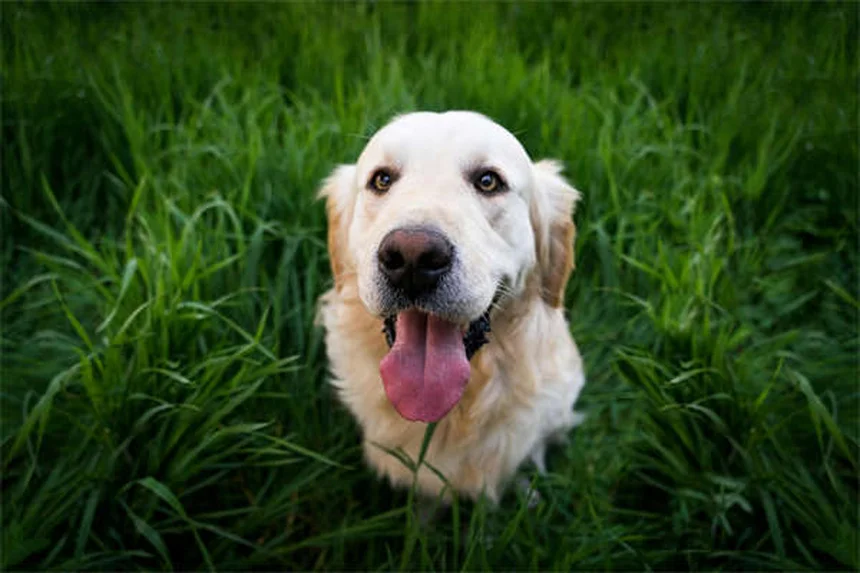
My Golden Retriever client "Bank" learned fastest when we turned training into a game of "find the treat." His owner reported he started offering behaviors without being asked!
Troubleshooting Common Issues
When Progress Stalls
Hit a plateau? Ask yourself:
- Are the rewards exciting enough?
- Is the environment too distracting?
- Are we practicing enough (or too much)?
Sometimes all it takes is switching from store-bought treats to small pieces of chicken. Other times, we need to break the behavior into smaller steps. Every dog learns differently!
Building Consistency
Consistency is key, but let's be real - life gets busy. Here's how to fit training into your routine:
- Practice during commercial breaks
- Use meal times for training
- Involve the whole family (with clear rules)
One of my favorite success stories? A busy nurse who trained her Poodle during her 10-minute coffee breaks. Within a month, he mastered all basic commands!
Taking It to the Next Level
Proofing Behaviors
Once your dog masters basics at home, it's time to generalize. Try practicing:
- In different rooms
- Outside (start in quiet areas)
- With mild distractions (like a person walking by)
Think of it like learning to drive - first in an empty lot, then quiet streets, finally busy roads. Same concept applies to dog training!
Adding Complexity
Ready for advanced skills? Try these fun challenges:
- Chain behaviors together (sit → down → roll over)
- Increase distance/duration gradually
- Teach fun tricks (spin, shake, play dead)
The possibilities are endless when you build on a foundation of positive reinforcement. I've seen dogs learn to put away their toys, turn off lights, even bring specific items by name!
Beyond Basic Training: Real-World Applications
Service Dog Training Secrets
You know those amazing service dogs who can detect medical issues before they happen? They're all trained using positive reinforcement. The same methods you're using to teach "sit" can eventually help dogs learn life-saving skills.
I once worked with a diabetic alert dog in training. His handler used tiny pieces of steak to reward him for sniffing low blood sugar samples. Within weeks, the dog started alerting naturally during their daily routine. Talk about a tasty paycheck!
Rescue Dog Rehabilitation
Ever wonder how abused dogs learn to trust again? Positive reinforcement works miracles here. We start small - maybe just rewarding a fearful dog for making eye contact.
One of my most rewarding cases was a rescue Pit Bull who cowered at everything. We used chicken bits to build confidence, starting with just being near people. Six months later? He's the star of his obedience class and gives the best hugs!
The Psychology Behind the Method
How Dogs Really Learn
Dogs don't understand "right" and "wrong" like we do. They understand "that worked, let's do it again!". Positive reinforcement taps directly into this natural learning process.
Think about how you'd teach a toddler versus scolding them. Which approach gets better results? Exactly! Dogs respond similarly to encouragement and rewards.
The Dopamine Connection
Here's some cool science: rewards trigger dopamine release in dog brains, just like in ours. This creates actual pleasure associations with training. No wonder dogs trained this way get excited for sessions!
I always joke that my training treats are like puppy coffee - they give that happy energy boost that makes learning fun. But really, it's brain chemistry at work!
Customizing for Different Breeds
Working With High-Energy Dogs
Got a Border Collie or Husky? These smart, active breeds need creative reinforcement. Instead of just treats, try incorporating movement rewards:
- Throw a ball after a successful command
- Reward with a quick game of tug
- Use "go sniff" as a special privilege
My neighbor's Australian Shepherd would do anything for frisbee time. We used that as his "paycheck" for learning complex agility courses!
Motivating Stubborn Breeds
Basset Hounds and Bulldogs march to their own drum. The key? Finding what they value most. Sometimes it's not food at all!
| Breed | Favorite Reward | Training Tip |
|---|---|---|
| Basset Hound | Smelly treats (liver, fish) | Use their nose to your advantage |
| Bulldog | Scratch sessions | Short, frequent sessions |
| Shiba Inu | Novelty items | Rotate special toys |
Remember the old saying "You can't teach an old dog new tricks"? Well, that's nonsense! I've seen 10-year-old dogs learn new skills when we find the right motivation.
Training for Special Situations
Preparing for Vet Visits
Does your dog panic at the vet? We can change that! Try this:
- Practice handling exercises at home (reward for paw touches, etc.)
- Visit the vet just for happy visits (no procedures, just treats)
- Bring high-value treats they only get at the clinic
One of my clients turned their Doberman from a vet-phobic mess into the office favorite by bringing homemade meatballs. Now he wags his tail when we pull into the parking lot!
Socialization Done Right
Puppy socialization isn't just about exposure - it's about positive experiences. Here's how to do it:
- Introduce new things gradually
- Pair with treats/praise
- Watch for stress signals (yawning, lip licking)
Why force a scared puppy to accept something when we can help them learn to love it? That's the power of positive methods!
Advanced Reward Systems
Variable Reinforcement Explained
Once your dog knows a behavior well, switch to intermittent rewards. This actually makes the behavior stronger, like how slot machines keep us playing!
Start by rewarding randomly - maybe 3 times in a row, then skip one, then reward twice. Keep them guessing! My dogs work harder on this schedule than when they know every response earns a treat.
Creating a Reward Hierarchy
Not all behaviors deserve equal pay. Create a system:
- Everyday commands: Regular treats
- Challenging tasks: Premium rewards (cheese, chicken)
- Breakthrough moments: Party time! (Treat shower + happy dance)
I have a "jackpot" bag for special achievements. When a client's dog finally nails a tough behavior, we break out the good stuff - usually hot dog pieces - and celebrate big!
Common Myths Debunked
"Won't My Dog Only Listen for Food?"
This is the #1 concern I hear. But think about it - don't you work for a paycheck? Eventually, the behavior itself becomes rewarding, and we can phase out constant treats.
My own dog now sits automatically at curbs because we rewarded it consistently during walks. He doesn't expect food anymore - it's just his habit!
"Isn't This Just Bribery?"
There's a big difference! Bribery shows the reward first to get behavior. Reinforcement gives the reward after the behavior happens. It's like getting a bonus at work versus being paid under the table!
Here's how you know you're doing it right: Your dog offers the behavior before seeing the treat. That's trained behavior, not bribery.
Building a Training Lifestyle
Incorporating Training Into Daily Life
Formal sessions are great, but real learning happens in everyday moments. Try these:
- Ask for a sit before meals
- Practice stays during TV commercials
- Reward calm behavior randomly throughout the day
One creative client taught her dog to "clean up" toys by rewarding with playtime after each one picked up. Now it's their nightly routine!
Making It a Family Affair
Kids can be amazing trainers when supervised! They often have more patience and creativity than adults. Just establish some ground rules:
- Use the same command words
- Agree on acceptable rewards
- Keep sessions short and fun
I've seen 8-year-olds teach dogs tricks faster than their parents because they turn it into a game. Plus, it's a great way to build bonds between kids and pets!
E.g. :I don't understand how only positive reinforcement can work. : r ...
FAQs
Q: How quickly does positive reinforcement training work?
A: Positive reinforcement training shows results surprisingly fast when done correctly. Most dogs begin responding within the first few sessions, especially when you're using high-value rewards they really love. I've had clients see their puppies master "sit" in under 10 minutes using this method! However, remember that every dog learns at their own pace - some might need more repetition than others. The key is consistency and proper timing. You'll want to reward the desired behavior within 1-2 seconds so your dog makes the connection. Pro tip: Keep training sessions short (5-10 minutes) and end on a positive note to keep your pup excited for the next session!
Q: What are the best rewards to use for positive reinforcement?
A: The best rewards are whatever your dog goes crazy for! While many trainers recommend small, soft treats (easy to eat quickly), the truth is it varies by dog and situation. For basic training at home, regular kibble might work fine. But for challenging environments or new skills, you'll want "high-value" treats like small pieces of chicken, cheese, or hot dogs. Don't forget that playtime, praise, and petting can be just as rewarding for some dogs. I always suggest creating a "reward menu" with different options - just like you wouldn't want to eat the same snack every day, your dog appreciates variety too!
Q: Can positive reinforcement work for older dogs?
A: Absolutely! One of the biggest myths I hear is that "you can't teach an old dog new tricks," but that's simply not true. In my 10 years of experience, I've successfully used positive reinforcement with dogs of all ages - even seniors. The process might take a bit longer with older dogs who have established habits, but the principles remain the same. The key is being patient and finding rewards that really motivate your older pup. Many senior dogs respond especially well to gentle praise and affection as rewards. Just remember to keep sessions shorter and watch for signs of fatigue - we want training to be enjoyable at every age!
Q: How is positive reinforcement different from bribery?
A: This is a great question I get all the time! The main difference is timing and presentation. With positive reinforcement, we reward after the behavior occurs to strengthen it. Bribery happens when we show the treat first to get the behavior. Here's how to tell if you're doing it right: If your dog only responds when they see the treat in your hand, you might be slipping into bribery territory. Instead, try keeping treats hidden until after they perform the behavior. We want the command itself to trigger the action, not the sight of food. A helpful trick is to phase out constant food rewards once a behavior is learned, replacing them with praise or occasional treats.
Q: What should I do if positive reinforcement isn't working?
A: First, don't give up! When positive reinforcement seems ineffective, there's usually a simple fix. Check these common issues: Are your rewards valuable enough? Is your timing precise? Are you practicing in a low-distraction environment? I've found that 90% of "failures" come from one of these factors. Try switching to higher-value treats or breaking the behavior into smaller steps. For example, if "stay" isn't working, start by rewarding just 1 second of staying, then gradually increase duration. Remember - if the behavior isn't improving, we're not actually reinforcing it yet. When in doubt, consult a certified positive reinforcement trainer who can observe your technique and suggest adjustments!