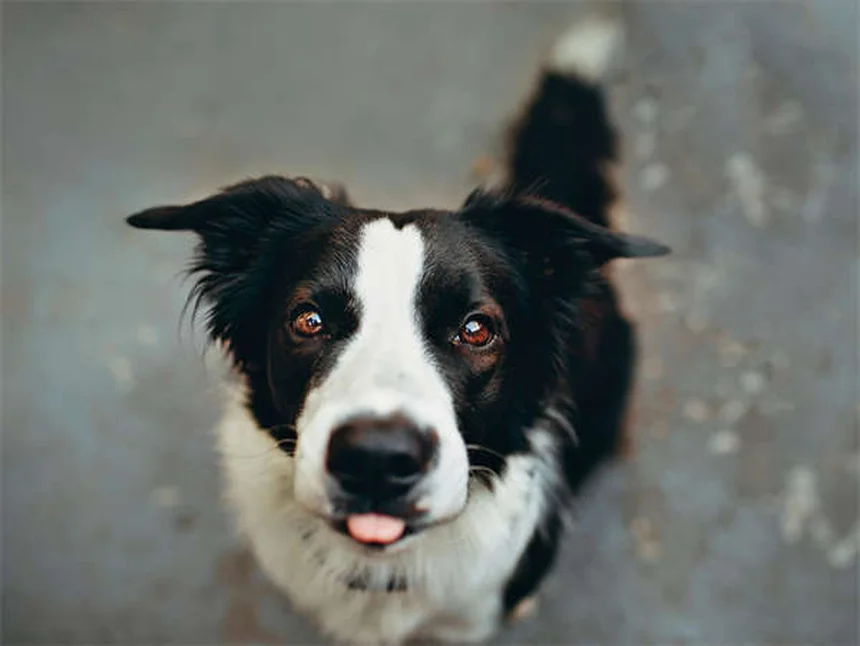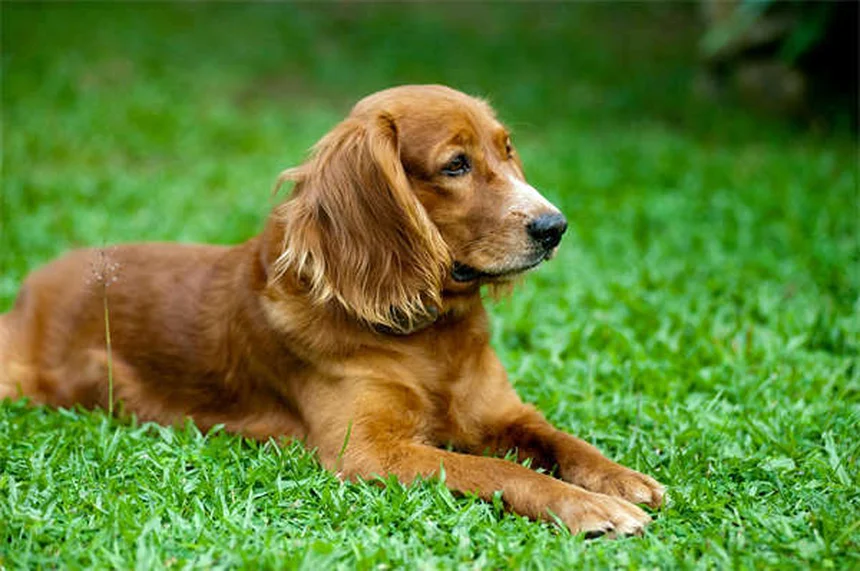

Why do dogs make those irresistible puppy dog eyes? The answer is fascinating: dogs evolved special facial muscles specifically to communicate with humans! Scientists have discovered that domestic dogs developed unique eyebrow-raising muscles that their wolf ancestors lack. This evolutionary adaptation helps strengthen the human-dog bond through better communication. When your pup gives you those big, soulful eyes, they're not just being cute - they're using a powerful tool that's been 30,000 years in the making. We'll explore how this remarkable trait developed and why it works so well on us humans.
- 1、The Fascinating Story Behind Puppy Dog Eyes
- 2、How Dogs and Humans Became Best Friends
- 3、Why Puppy Dog Eyes Work So Well
- 4、The Many Reasons Behind Those Adorable Expressions
- 5、What This Means for Dog Owners
- 6、The Future of Puppy Dog Eyes
- 7、The Surprising Similarities Between Dog and Human Communication
- 8、The Emotional Impact of Puppy Dog Eyes
- 9、The Science Behind the Bond
- 10、Practical Tips for Dog Owners
- 11、The Bigger Picture
- 12、FAQs
The Fascinating Story Behind Puppy Dog Eyes
Why Do Dogs Give Us Those Irresistible Looks?
You know that look - when your dog raises their eyebrows and gives you those big, soulful eyes that make you melt? Scientists call this "puppy dog eyes," and it's not just your imagination that this expression makes you want to give your pup extra treats and cuddles.
Here's something wild: dogs developed special facial muscles just for this expression that their wolf ancestors don't have! Researchers found that over thousands of years of living with humans, dogs evolved these muscles to better communicate with us. Isn't that amazing?
The Science Behind the Expression
Let me break down the anatomy for you in simple terms. Dogs have two key muscles around their eyes:
| Muscle | Function | Presence in Dogs | Presence in Wolves |
|---|---|---|---|
| LAOM | Raises inner eyebrows | Highly developed | Small, often restricted |
| RAOL | Pulls outer eye corners | Present in most breeds | Thinner fibers when present |
The only exception? Siberian Huskies - they're more wolf-like and often lack the RAOL muscle completely. This explains why their facial expressions aren't quite as dramatic as, say, a Labrador's.
How Dogs and Humans Became Best Friends
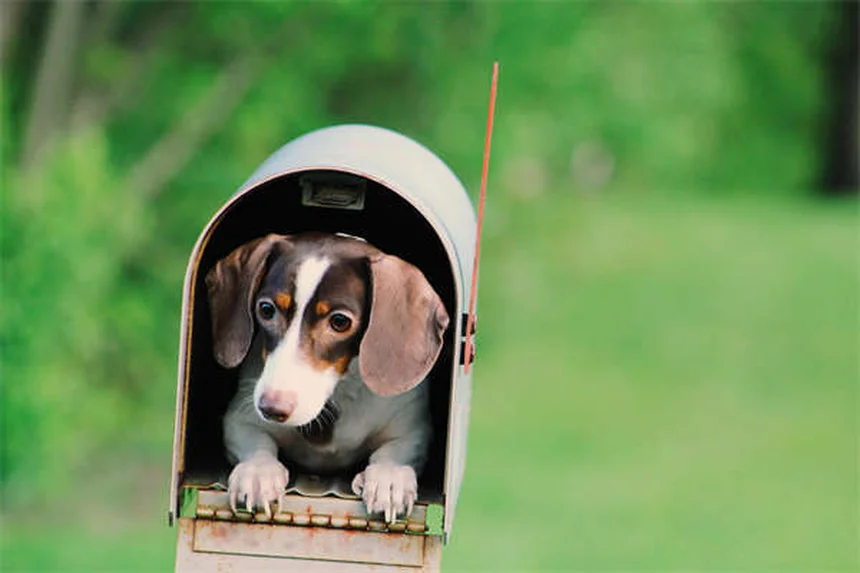 Photos provided by pixabay
A Partnership That Changed History
Picture this: 30,000 years ago, early humans and wolves started hanging out together. The wolves got leftover food from hunts, while humans got protection and hunting help. It was the original win-win situation!
But here's the kicker - wolves that were better at communicating with humans got more food and care. Over generations, these friendly wolves became the dogs we know today. Their ability to make eye contact and facial expressions played a huge role in this transformation.
The Magic of Mutual Gazing
Did you know that when you and your dog lock eyes, both of your brains release oxytocin? That's the same "love hormone" that bonds mothers with their babies!
In one fascinating study, researchers gave dogs oxytocin and watched what happened. The result? Those dogs made way more eye contact with humans than normal. This chemical connection explains so much about why we feel so close to our canine companions.
Why Puppy Dog Eyes Work So Well
They Speak Our Language
Here's a question: Why do humans find puppy dog eyes so irresistible? The answer lies in how we're wired. Humans naturally focus on eyes and eyebrows when reading emotions. When dogs developed similar facial expressions, it created instant understanding between our species.
One study proved this beautifully. Researchers watched 24 dogs interact with humans and found something incredible: dogs made more facial expressions when humans paid attention to them, whether or not food was involved. This shows those puppy dog eyes are a deliberate attempt to communicate, not just a food-begging trick!
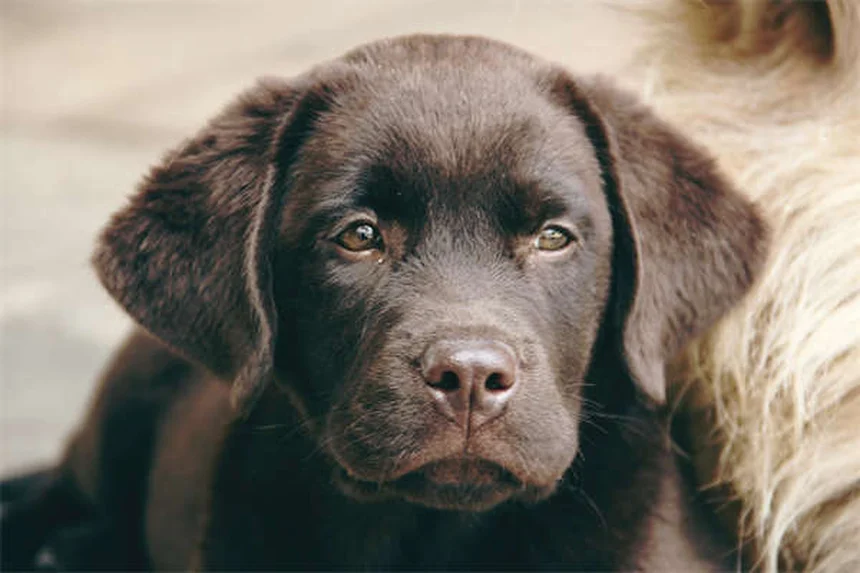 Photos provided by pixabay
A Partnership That Changed History
You know how babies have those big eyes and foreheads that make you want to protect them? Dogs have tapped into that same instinct! Research shows humans prefer dogs with:
- Larger eyes
- More prominent foreheads
- Expressive eyebrows
Puppy dog eyes exaggerate these features, making dogs appear more infant-like and vulnerable. No wonder we can't resist them - our brains are hardwired to respond to these cues!
The Many Reasons Behind Those Adorable Expressions
More Than Just a Pretty Face
While we've focused on communication, there are other theories about why dogs make these expressions:
Some scientists believe eyebrow movements help dogs see better by adjusting their field of vision. Others think the visible white in dogs' eyes (called sclera) helps us follow their gaze, similar to how human eyes work.
Here's a fun fact: In experiments, humans preferred stuffed animals with visible sclera over those without. This preference might explain why we're drawn to dogs who show the whites of their eyes during those dramatic puppy dog eye moments!
The Bottom Line
While researchers debate the exact reasons, one thing is clear: puppy dog eyes strengthen the bond between humans and dogs. Whether it's for communication, vision, or triggering our nurturing instincts, this expression has become a powerful tool in the canine playbook.
What This Means for Dog Owners
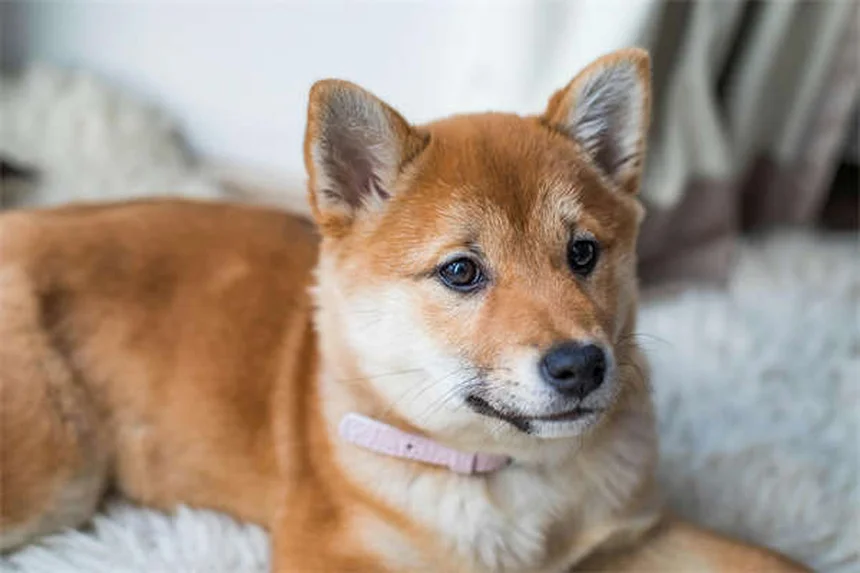 Photos provided by pixabay
A Partnership That Changed History
Now that you know about puppy dog eyes, you can become a better dog parent! When your dog gives you that look, they might be:
- Trying to tell you something
- Expressing emotion
- Adjusting their vision
- Or just melting your heart!
The next time your dog gives you those big eyes, take a moment to consider what they might be communicating. This awareness can deepen your relationship and help you respond to your dog's needs more effectively.
A Living Example of Evolution
Isn't it incredible that dogs evolved these special muscles just to communicate with us? This is one of the clearest examples of how two species can change together over time.
As research continues, we're learning even more about the amazing connection between humans and dogs. One recent study found that dogs have up to 95% fast-twitch muscles in their faces (perfect for quick expressions), compared to only 25% in wolves. Talk about specialization!
The Future of Puppy Dog Eyes
Here to Stay
One thing's for certain - those adorable expressions aren't going anywhere. As long as humans and dogs live together, puppy dog eyes will remain one of our favorite canine traits.
So the next time your dog gives you that look, remember: you're witnessing thousands of years of evolution in action! And maybe... just maybe... give them that extra treat they're asking for.
The Surprising Similarities Between Dog and Human Communication
How Dogs Learned to "Talk" Like Us
You ever notice how your dog seems to understand exactly what you're saying? Well, here's something that'll blow your mind - dogs actually developed facial expressions that mimic human babies! That's right, those puppy dog eyes aren't just cute - they're a sophisticated communication tool.
Researchers at the University of Portsmouth discovered something wild - dogs make more facial expressions when humans are watching them. It's like they know we're paying attention and adjust their "talking" accordingly. I mean, how cool is that? Your dog might be trying to have a conversation with you right now!
The Eyebrow Connection
Let's talk about eyebrows for a second. Humans use eyebrows to express emotions - we raise them when surprised, furrow them when concerned. Guess what? Dogs do the same thing!
In a study comparing wolves and dogs, researchers found that dogs raised their inner eyebrows much more frequently when interacting with humans. Wolves? Not so much. This suggests that dogs specifically evolved this ability to better communicate with us. Your dog's eyebrows might be telling you more than you realize!
The Emotional Impact of Puppy Dog Eyes
Why We Can't Say No
Ever wonder why you cave every time your dog gives you those sad eyes? Science has the answer! When we see puppy dog eyes, our brains release oxytocin - the same "love hormone" that bonds parents with their children.
Here's a crazy fact: in one experiment, shelter dogs who made more eye contact with potential adopters got adopted faster. And get this - the dogs who were best at making puppy dog eyes found homes twice as fast as those who weren't as expressive. That's the power of those adorable looks!
More Than Just Cuteness
But it's not just about being cute - there's real emotional intelligence at work here. Dogs have learned that certain expressions get certain responses from humans. When they want food? Puppy eyes. When they want to play? Different expression. When they're feeling guilty after chewing your shoe? You better believe they've got a special look for that too!
Think about it - have you ever noticed your dog using different facial expressions in different situations? That's not accidental. They've learned what works with their human. Pretty smart, huh?
The Science Behind the Bond
Oxytocin: The Love Chemical
Let's geek out for a minute about oxytocin. This amazing hormone does three key things in the dog-human relationship:
| Effect on Humans | Effect on Dogs | Result |
|---|---|---|
| Increases feelings of love | Makes dogs seek eye contact | Stronger bond |
| Reduces stress | Lowers heart rate | Calmer interactions |
| Enhances trust | Increases attachment | Deeper connection |
Isn't it wild how one little hormone can create such a powerful bond between two completely different species?
The Gaze That Bonds
Here's a question that might surprise you: Why don't wolves make eye contact like dogs do? The answer reveals something profound about our relationship with dogs.
In wolf behavior, direct eye contact is often seen as a challenge or threat. But dogs? They've completely flipped that script. Through thousands of years of evolution alongside humans, dogs have learned that gentle eye contact actually strengthens bonds. This is why your dog gazes into your eyes with such devotion - it's literally built into their DNA to connect with us this way!
Practical Tips for Dog Owners
Reading Your Dog's Expressions
Now that you understand puppy dog eyes better, here's how you can use this knowledge:
Pay attention to the subtle differences in your dog's expressions. A slightly raised eyebrow might mean curiosity, while wide eyes with visible whites could indicate concern. The more you observe, the better you'll understand what your furry friend is trying to tell you.
And here's a pro tip: try matching your own facial expressions to your dog's. You might be surprised at how they respond! Many dogs will mirror their owner's expressions, creating a sort of silent conversation between you two.
Building a Stronger Bond
Want to take your relationship with your dog to the next level? Try these simple exercises:
- Spend 5 minutes daily making gentle eye contact with your dog
- Notice and respond to your dog's different facial expressions
- Reward expressive behavior with praise or treats
You'll be amazed at how quickly this can deepen your connection. After all, communication is the foundation of any strong relationship - even between humans and dogs!
The Bigger Picture
What This Tells Us About Evolution
Isn't it incredible how two species can evolve together like this? The development of puppy dog eyes shows just how adaptable nature can be.
Think about it - dogs essentially evolved a new way to communicate specifically for humans. That's like if you moved to a new country and grew a new body part to help you speak the local language! This kind of co-evolution is rare in nature, which makes our bond with dogs even more special.
A Model for Cross-Species Relationships
The dog-human connection might actually teach us something important about getting along with other species. If dogs can learn to communicate with us so effectively, what other amazing interspecies relationships might be possible?
Researchers are already studying whether we can use what we've learned from dogs to better communicate with other animals. Who knows - maybe someday we'll understand cats as well as we understand dogs! (Okay, maybe that's pushing it... cats will probably always be mysterious.)
E.g. :Dogs' eyes evolve to appeal to humans
FAQs
Q: What exactly are puppy dog eyes?
A: Puppy dog eyes refer to that adorable expression dogs make when they raise their inner eyebrows, making their eyes appear larger and more soulful. This isn't just random cuteness - it's a specialized communication tool dogs developed through evolution. Researchers found that dogs have two key facial muscles (LAOM and RAOL) that wolves either lack or have in weaker form. These muscles allow dogs to make exaggerated eyebrow movements that trigger our nurturing instincts. Next time your dog gives you that look, remember they're using thousands of years of evolutionary advantage!
Q: How did dogs develop puppy dog eyes?
A: Dogs developed puppy dog eyes through selective breeding and co-evolution with humans over 30,000 years. Early wolves that were better at communicating with humans got more food and care, so these traits were passed down through generations. Scientists found that domestic dogs have more developed facial muscles than wolves, especially around the eyes. The Siberian Husky - being more wolf-like - is the only breed that often lacks one of these key muscles, which explains their less expressive faces compared to other dogs.
Q: Why do humans find puppy dog eyes so irresistible?
A: We can't resist puppy dog eyes because they trigger our natural caregiving instincts. Research shows humans prefer facial features that resemble human infants - large eyes, prominent foreheads, and expressive eyebrows. When dogs make this expression, they exaggerate these exact features. Additionally, mutual gazing between dogs and humans releases oxytocin (the "love hormone") in both species, creating a positive feedback loop. This biological response explains why we instinctively want to comfort and care for dogs giving us that look.
Q: Do dogs use puppy dog eyes intentionally?
A: Studies suggest dogs do use puppy dog eyes intentionally to communicate with humans. In one experiment with 24 dogs, researchers observed that dogs made significantly more facial expressions when humans were paying attention to them, whether or not food was present. This shows the expressions aren't just about begging for treats - they're a deliberate attempt to engage with us. Shelter dogs who used this expression more often were adopted faster, proving how effective it is as a communication tool.
Q: Can all dogs make puppy dog eyes?
A: Most dogs can make puppy dog eyes, but some breeds are better at it than others. The expression depends on two key facial muscles: the LAOM (which raises the inner eyebrows) and the RAOL (which pulls the outer eye corners). While nearly all dogs have well-developed LAOM muscles, the RAOL is sometimes weaker or absent in breeds closer to wolves, like Siberian Huskies. Generally, the more a breed has been selectively bred for companionship rather than working traits, the more expressive their faces tend to be.