
Flying disc games for dogs are more than just playtime - they're an incredible bonding experience and physical workout for you and your pup. The answer is clear: yes, most dogs can learn to love disc games, but there's a right way to do it! From my decade of training dogs, I've seen how these games can transform even the most couch-loving pup into an athletic disc-catching machine. The key is starting slow, using the right equipment, and making it fun for both of you. Whether you're looking for casual backyard fun or competitive disc dog training, we'll walk you through everything you need to know to get started safely and successfully.
E.g. :7 Must-Have Nighttime Dog Walking Gear for Maximum Visibility
- 1、Why Flying Disc Games Are Perfect for You and Your Pup
- 2、Training Your Dog to Be a Disc Pro
- 3、Advanced Techniques for Disc Stars
- 4、Keeping Play Safe and Fun
- 5、Making It a Lifestyle
- 6、The Science Behind Why Dogs Love Flying Discs
- 7、Creative Ways to Spice Up Your Disc Routine
- 8、Nutrition and Hydration for Disc Dogs
- 9、Weather Considerations for Year-Round Play
- 10、Traveling With Your Disc Dog
- 11、FAQs
Why Flying Disc Games Are Perfect for You and Your Pup
Is Your Dog Built for This Sport?
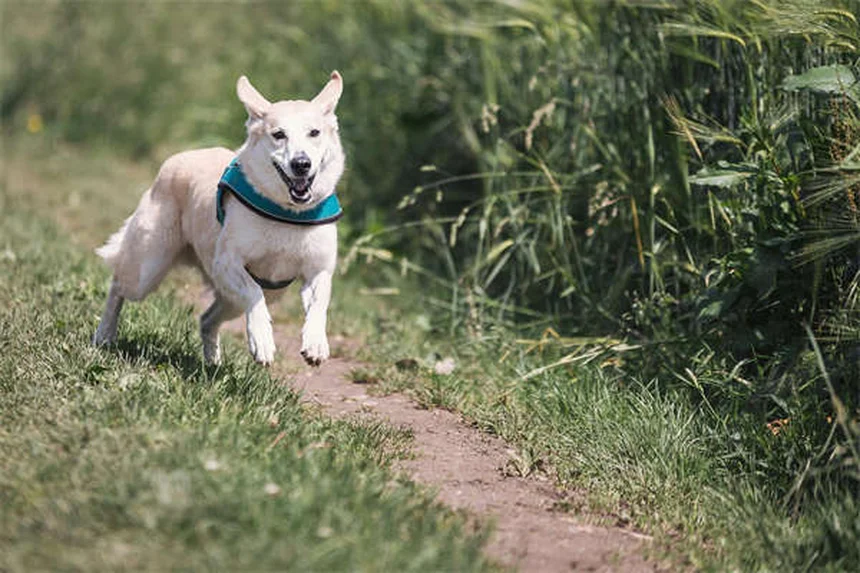
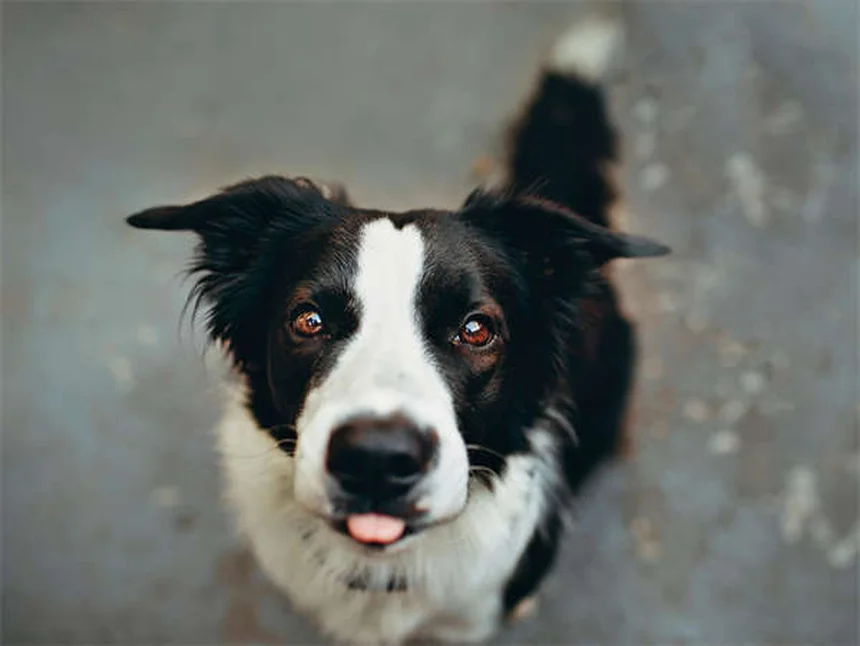
Let's be real - not every dog is cut out for flying disc games. The ideal candidates are those lean, athletic pups under 50 pounds who live for fetch. Think Border Collies, Australian Shepherds, or Jack Russell Terriers. But hey, my neighbor's 45-pound mutt is a disc-catching machine!
Before you start, here's a crucial step many owners skip: get your vet's approval. We're talking about high-impact jumps and quick turns here. If your dog has any joint issues or is prone to conditions like hip dysplasia, you'll want that professional green light first.
Choosing the Right Equipment
Not all discs are created equal! Here's what you need to know:
| Disc Type | Best For | Durability |
|---|---|---|
| Standard Plastic | Humans only | Poor (can crack teeth) |
| Rubber Dog Discs | Beginner dogs | Good |
| Competition Discs | Advanced players | Excellent |
I made the mistake of using a regular Frisbee with my first dog - let's just say we went through three discs in a week before I wised up. Invest in a dog-specific disc that can handle those sharp teeth!
Training Your Dog to Be a Disc Pro
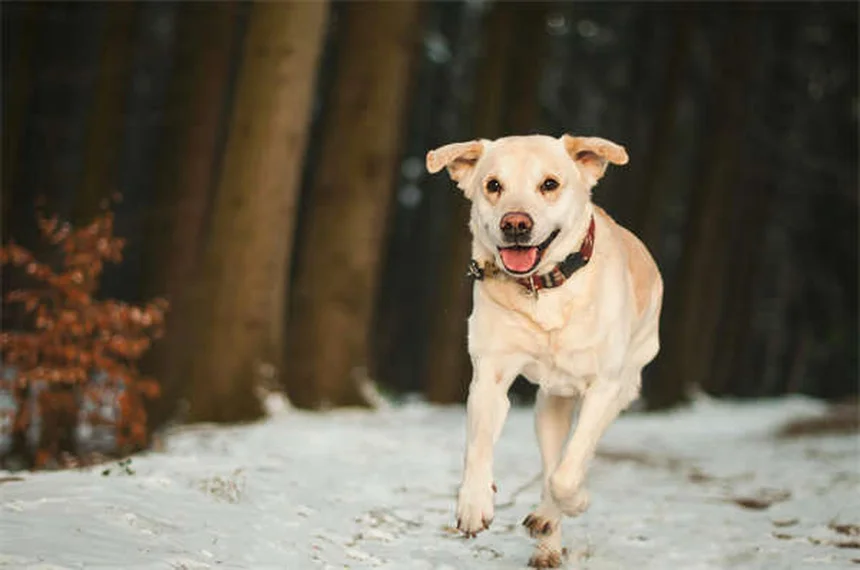 Photos provided by pixabay
Starting Slow: The Foundation
Ever tried teaching calculus to a kindergartener? That's what jumping straight into advanced disc tricks feels like for your dog. Start with the basics:
1. First, make the disc exciting during regular playtime. Let your dog carry it around, praise them when they show interest. I like to pretend it's the most amazing toy in the world - dramatic gasps and all!
2. Begin with gentle rolls along the ground, just like you'd do with a ball. This helps your pup understand the game without the pressure of catching.
Building Up to Catches
Here's a question many new owners ask: "Why won't my dog bring the disc back?" The answer usually comes down to training fundamentals.
Your dog needs solid recall skills before disc games. If they're still in the "zoomies" phase where everything is more exciting than you, work on basic obedience first. I use high-value treats (think chicken or cheese) to reinforce the "come" command.
When you're ready to toss:
- Start with short, low throws
- Always throw to your dog, not at your dog
- Use a long lead in open areas
Advanced Techniques for Disc Stars
Perfecting the Catch
Once your dog has the basics down, it's time to level up. But how do you teach those spectacular mid-air catches you see in competitions?
The secret is in the training progression. I start by holding the disc just above my dog's head, rewarding when they jump to grab it. Gradually increase the height as they improve. Remember - we want four-paw landings to protect those joints!
 Photos provided by pixabay
Starting Slow: The Foundation
Did you know there's a whole world of disc dog competitions out there? From local meetups to national championships, it's an awesome way to bond with other dog lovers.
Search for "disc dog" events in your area (not "Frisbee" - that's trademarked!). My first competition was humbling - watching a 10-year-old Border Collie put my training to shame - but incredibly inspiring!
Keeping Play Safe and Fun
Recognizing When to Stop
Here's something important many owners overlook: Dogs will often play until they drop. It's our job to watch for signs of fatigue:
- Excessive panting
- Thick drool
- Disorientation
When you see these, it's break time! Find some shade, offer small amounts of water (not a whole bowl at once), and let your pup cool down.
Preventing Common Injuries
Why do so many disc dogs end up with pad injuries? Usually because owners forget about surface conditions.
Hot pavement? Bad idea. Rocky terrain? Even worse. I always check the ground temperature with my bare hand first - if it's too hot for me, it's too hot for my dog's paws.
Remember to:
- Inspect paws after each session
- Keep play sessions short in extreme weather
- Consider dog boots for rough terrain
Making It a Lifestyle
 Photos provided by pixabay
Starting Slow: The Foundation
You don't need hours each day to enjoy this sport with your dog. Even 15 minutes of focused play can make a difference. I like to do quick sessions:
- Morning: 5 minutes of easy tosses to burn energy
- Evening: 10 minutes of skill-building
The consistency matters more than marathon sessions. Plus, keeping it short leaves your dog wanting more!
The Unexpected Benefits
Beyond the obvious fun, disc games have transformed my relationship with every dog I've trained. There's something magical about that moment when your dog locks onto a flying disc with complete focus.
It builds:
- Trust between you and your dog
- Confidence in shy dogs
- An outlet for high-energy breeds
Just last week, a client told me how disc training helped her anxious rescue dog come out of his shell. That's the real win in this sport!
The Science Behind Why Dogs Love Flying Discs
Understanding the Canine Chase Instinct
Ever wonder why some dogs go absolutely nuts for flying discs while others couldn't care less? It's all about their prey drive - that hardwired instinct to chase moving objects. Breeds originally developed for herding or hunting tend to have this in spades.
When your dog sees that disc sailing through the air, their brain lights up like a Christmas tree. The erratic movement triggers the same neurological pathways that would activate if they were chasing a rabbit in the wild. That's why my Border Collie mix starts trembling with excitement before I even throw!
The Bonding Power of Play
Here's something fascinating - when you play disc with your dog, both your brains release oxytocin, the "love hormone." This creates a positive feedback loop that strengthens your relationship. No wonder my dog gives me those puppy eyes whenever I walk near the disc drawer!
Researchers have found that interactive play like disc games:
- Increases trust between dog and owner
- Reduces problem behaviors
- Improves overall obedience
Creative Ways to Spice Up Your Disc Routine
Turning Practice Into an Obstacle Course
Bored of the same old back-and-forth throws? Let's get creative! I like to set up simple obstacle courses using items from around the house. That folding chair becomes a hurdle, the kiddie pool transforms into a splash zone, and suddenly we've got ourselves an adventure!
Some of my favorite DIY obstacles:
| Obstacle | Skill Developed | Safety Tip |
|---|---|---|
| Hula hoop stand | Jumping accuracy | Start with hoop on ground |
| PVC pipe tunnel | Agility | Use wide diameter |
| Pool noodle jumps | Timing | Keep height low |
Teaching Cool Tricks Beyond Basic Catches
Why stop at simple catches when you could teach your dog to:
- Leap off your back for dramatic catches
- Do mid-air flips
- Catch multiple discs in sequence
The key is breaking each trick down into tiny steps. For the back vault, I started by just rewarding my dog for putting paws on my bent knees. Three months later, we're getting air like pros!
Nutrition and Hydration for Disc Dogs
Fueling Your Athlete Properly
Did you know that an hour of intense disc play can burn up to 300 calories for a medium-sized dog? That's like a human running 3 miles! Active disc dogs need proper nutrition to perform their best and recover quickly.
I learned this the hard way when my dog started lagging during practice. Our vet recommended:
- High-quality protein sources
- Increased healthy fats
- Electrolyte supplements in hot weather
The Hydration Game Changer
Here's a question many owners don't think to ask: "Why does my dog pant so much after just a few throws?" Often, it's because they're already dehydrated before you even start playing.
Dogs can lose up to a pint of water during 30 minutes of intense disc play. I always bring a collapsible bowl and offer small amounts frequently rather than letting my dog gulp a whole bottle at once. Pro tip: Adding a splash of low-sodium chicken broth makes water more enticing!
Weather Considerations for Year-Round Play
Summer Safety Must-Knows
When the temperature hits 85°F, pavement can reach a scorching 135°F - hot enough to fry an egg! I always do the "five-second test" - if I can't keep my hand on the ground for five seconds, it's too hot for my dog's paws.
Some of my favorite warm-weather solutions:
- Early morning or late evening sessions
- Playing in shaded grassy areas
- Using cooling vests
- Bringing a mister bottle
Winter Play Adaptations
Cold weather brings its own challenges. Did you know dogs can get frostbite on their ears and paw pads? I've found that limiting sessions to 15 minutes when it's below freezing and using dog boots makes winter play much safer.
Watch for these cold-weather warning signs:
- Lifting paws repeatedly
- Shivering
- Whining or anxious behavior
Traveling With Your Disc Dog
Finding Dog-Friendly Locations
One of the best parts of disc training? You can do it almost anywhere! I've played with my dog on beaches, in parking lots (after they've cooled), and even in hotel courtyards during road trips.
Before you go:
- Check local leash laws
- Look for "dog park" signs
- Ask permission if on private property
Competition Travel Tips
Taking your show on the road? Here's what I've learned from years of traveling to disc competitions:
- Bring familiar bedding to reduce stress
- Pack extra discs (they get lost easily!)
- Scope out potty areas first thing
- Have vet records handy
The first time I competed out of state, I forgot my dog's favorite toy - big mistake! Now I always pack a "comfort kit" with his favorite things.
E.g. :How to teach dog to catch frisbee? : r/Dogtraining
FAQs
Q: What's the best type of disc for dog training?
A: When it comes to flying disc games for dogs, not all discs are created equal. We always recommend using soft, flexible discs specifically designed for dogs - they're gentler on teeth and more durable than regular Frisbees. Look for options made from rubber or soft plastic with rounded edges. I've tried dozens of brands over the years, and the ones that last longest have some give when your dog bites down. Avoid hard plastic discs at all costs - they can crack your dog's teeth! A good dog disc should cost between $10-$20 and last through months of regular play if your dog doesn't make chewing it a habit.
Q: How do I teach my dog to catch a flying disc?
A: Teaching disc catching skills is all about progression. We start by making the disc exciting - let your dog sniff it, reward any interest with treats and praise. Then roll it on the ground like a ball before attempting any throws. When you're ready for tosses, begin with short, low throws at your dog's head height. Use high-value treats when they bring it back! My golden rule: never throw farther than your dog's current skill level. It took me three months of daily practice to get my Border Collie making those spectacular mid-air catches you see in competitions.
Q: Are flying disc games safe for all dogs?
A: While most dogs can enjoy modified disc play, not all are built for intense jumping and catching. We recommend vet clearance first, especially for breeds prone to joint issues. Small dogs under 20 pounds or heavy-bodied breeds might do better with ground rolls than high jumps. The ideal disc dogs are typically medium-sized, athletic breeds like Border Collies or Australian Shepherds. But I've seen surprising disc stars too - my friend's 12-year-old Beagle mix loves gentle tosses! Just watch for fatigue signs and always prioritize safety over impressive catches.
Q: How often should I practice disc games with my dog?
A: For optimal training results, we suggest short, frequent sessions rather than marathon playtimes. Even 10-15 minutes daily is better than one hour weekly. Puppies and beginners should keep sessions under 10 minutes to prevent frustration or overexertion. I typically recommend 3-5 sessions per week for most dogs, with rest days in between. The key is ending while your dog still wants more - that keeps them excited for next time! Remember, dogs (like us) learn better when they're fresh and engaged.
Q: Where can I find disc dog competitions near me?
A: The disc dog community is bigger than you might think! We suggest searching online for "disc dog events" plus your city name (remember, "Frisbee" is trademarked). Local dog parks often host casual meetups, while organizations like the Skyhoundz World Canine Disc Championship host events nationwide. I found my first competition through a Facebook group for local dog sports enthusiasts. Don't worry about skill level - most events have beginner divisions. It's a fantastic way to meet other disc-loving humans and pups while improving your skills!