
Can you safely bike with your dog? The answer is absolutely yes - but only if you follow proper safety precautions! I've been biking with my Labrador Max for years, and let me tell you, it's one of our favorite bonding activities. However, many dog owners make dangerous mistakes like using regular leashes or pushing their pups too hard.Here's the deal: biking with your dog requires special gear, training, and awareness of your dog's limits. In this guide, I'll share the exact steps we took to create safe, enjoyable bike adventures together. Whether you have an energetic Border Collie or a tiny Chihuahua, you'll learn how to include your furry friend in your cycling routine without risking their safety.
E.g. :5 Best Flying Disc Games for Dogs: Train Your Pup Like a Pro
- 1、Prepping Your Pup for the Adventure
- 2、Training Your Dog for Bike Adventures
- 3、Hitting the Road Together
- 4、Alternative Options for Special Cases
- 5、Safety First, Always
- 6、Making It Fun for Both of You
- 7、Expanding Your Dog's Exercise Routine
- 8、Nutrition for Active Dogs
- 9、Socializing Your Active Dog
- 10、Seasonal Considerations
- 11、Tracking Progress
- 12、When to Take a Break
- 13、FAQs
Prepping Your Pup for the Adventure
Is Your Dog Physically Ready?
Picture this: you're cruising down the street with your furry co-pilot trotting happily beside your bike. Sounds perfect, right? But before you hit the road, let's make sure your dog is truly ready for this workout.
Here's the deal - even if your dog seems like the picture of health, you should absolutely get a vet's approval first. Why? Because what looks like a casual jog to us is actually serious exercise for your pup. Your vet will check for things like:
- Age appropriateness (puppies and seniors often need modified exercise)
- Underlying health conditions
- Current fitness level
Pro tip: If your dog is carrying extra weight, start with regular walks before attempting bike runs. Jumping straight into biking could do more harm than good!
Must-Have Gear for Safe Cycling
Now let's talk equipment. You wouldn't ride without a helmet, right? Your dog needs proper gear too. Here's what you'll need:
| Essential Gear | Why It Matters |
|---|---|
| Bike-specific leash | Keeps your dog safely away from wheels |
| Reflective harness | Much safer than attaching to a collar |
| Blinking lights | Makes you both visible at night |
| Portable water bowl | Hydration is crucial! |
Bonus items that can make rides more comfortable:
- Protective dog boots
- Weather-appropriate gear
- Compact first aid kit
Training Your Dog for Bike Adventures
 Photos provided by pixabay
First Introductions to the Bike
Ever seen a dog freak out at a vacuum cleaner? Some pups react similarly to bikes. That's why we need to take introductions slow.
Start by letting your dog sniff and investigate your stationary bike. When she seems comfortable, try walking the bike while she's on leash nearby. Use treats to reward calm behavior. This might take several sessions - and that's completely normal!
Mastering the Essential Commands
Did you know biking with your dog requires special communication? You'll need to teach some key commands:
"This way" - Signal turns with this cheerful cue before changing direction. Reward when your dog follows smoothly.
"Watch" - Gets your dog's attention when distractions appear. Start by saying it in a happy voice and rewarding when she looks at you. This takes practice!
Remember: consistency is key. Use the same words every time and always follow through with praise or treats.
Hitting the Road Together
Choosing the Right Path
Not all routes are created equal when biking with dogs. Here's what to look for:
Grassy or dirt paths are gentler on paws than pavement. Avoid busy roads where traffic might spook your pup. And always check the temperature - asphalt gets dangerously hot in summer!
 Photos provided by pixabay
First Introductions to the Bike
Think of your first rides as practice sessions, not workouts. Start with short distances at walking speed. Gradually increase over weeks as your dog builds stamina.
Watch for these warning signs:
- Excessive panting
- Slowing pace
- Loss of coordination
If you notice any of these, stop immediately! Your dog might be overheating or exhausted.
Alternative Options for Special Cases
When Running Isn't an Option
What if your dog can't keep up? Maybe she's a tiny Chihuahua or a senior Lab with arthritis. No problem! We've got solutions.
For small dogs (under 20 lbs), consider a specially designed bike basket. Just make sure it's secure and your dog can't jump out mid-ride.
For larger dogs or multiple pups, a dog bike trailer works great. The best models have:
- Built-in harness systems
- Weather protection
- Open-top options for head-out enjoyment
Special Considerations
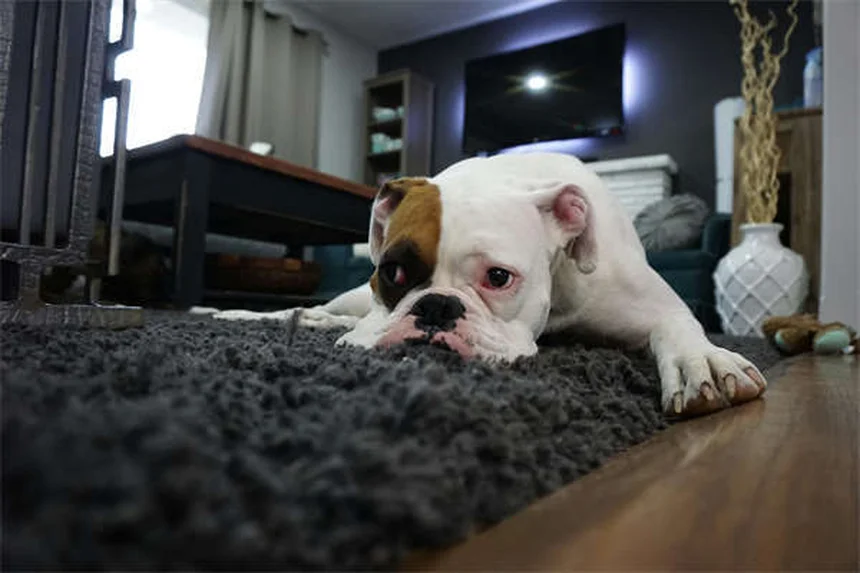
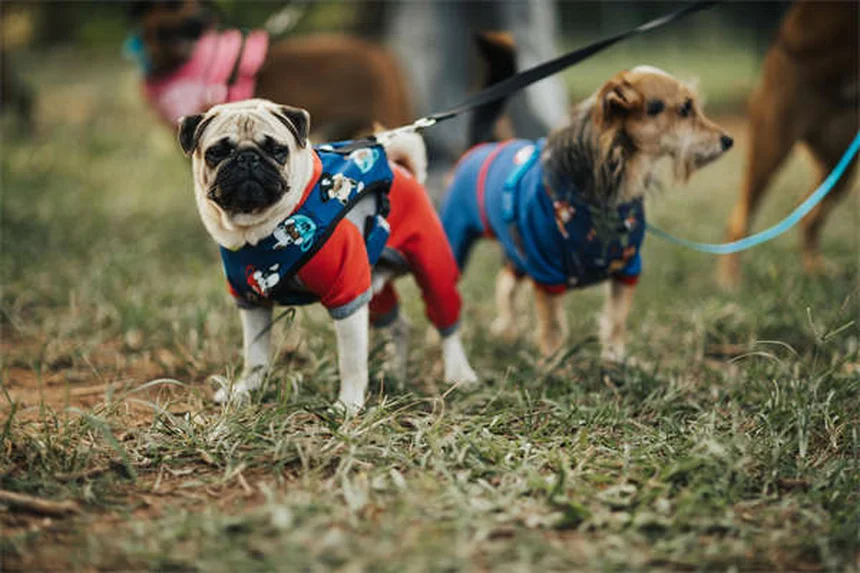
Some breeds just aren't built for running. Short-nosed dogs like Pugs or Bulldogs often struggle with intense exercise. Older dogs might enjoy the ride but need extra care with joints.
The key is knowing your dog's limits and finding ways to include them safely. After all, the goal is fun for both of you!
Safety First, Always
 Photos provided by pixabay
First Introductions to the Bike
Here's a scary thought: using a regular leash while biking could send you both tumbling. Bike-specific leash systems have special springs that absorb sudden pulls.
Never attach your dog directly to the bike frame, and never walk away with your dog still leashed to a parked bike. A falling bike can seriously scare your pup!
Weather Wisdom
Would you run a marathon in 90° heat? Your dog shouldn't either. Check pavement temperatures with your hand - if it's too hot for your palm, it's too hot for paws.
In cold weather, watch for shivering or lifting paws off the ground. Dog boots or limiting ride time can help.
Making It Fun for Both of You
Positive Reinforcement Works Wonders
Remember when you first learned to ride a bike? It was probably equal parts exciting and scary. Your dog feels the same way!
Load up on praise and treats during training. Keep sessions short and positive. If your dog seems stressed, take a step back in the training process.
Building Up to Big Adventures
Start with quick trips around the block before attempting longer rides. As confidence grows, you can explore new trails together.
Always end on a good note - when your dog is still enjoying herself. That way, she'll be excited for next time!
Featured Image: iStock.com/Sergei Gnatiuk
Expanding Your Dog's Exercise Routine
Beyond the Bike: Alternative Workouts
While biking with your dog is fantastic exercise, it's not the only way to keep your pup active. Have you considered swimming? Many dogs absolutely love water activities, and it's especially great for breeds with joint issues.
Local dog-friendly beaches or lakes can provide the perfect setting. Start shallow and use a doggy life vest if needed. You'll be amazed at how quickly most dogs take to swimming - it's like they're born with built-in paddles!
Mental Stimulation Matters Too
Physical exercise is crucial, but don't forget about your dog's brain! Interactive puzzle toys can tire out your pup just as effectively as physical activity sometimes.
Try hiding treats around your yard or using food-dispensing toys. Watching your dog problem-solve is both entertaining and rewarding. Pro tip: Rotate different puzzle toys to keep things fresh and challenging.
Nutrition for Active Dogs
Fueling Your Athlete
An active dog needs proper nutrition just like human athletes do. But how do you know if your current food is cutting it?
Look for these signs your dog might need a diet adjustment:
- Lack of energy during/after exercise
- Difficulty maintaining weight
- Dull coat or skin issues
Consult your vet about potentially switching to a performance or active dog formula. The right food can make a world of difference in your dog's stamina and recovery.
Hydration on the Go
You know to bring water for yourself, but are you paying enough attention to your dog's hydration needs? Dehydration sneaks up fast during exercise.
Here's a simple test: gently pinch the skin on your dog's neck. If it doesn't snap back quickly, your pup might be dehydrated. Always offer water every 15-20 minutes during activity, even if your dog doesn't seem thirsty.
Socializing Your Active Dog
Group Activities for Social Butterflies
Some dogs thrive in group settings. Have you explored local dog sports clubs or hiking groups? These can be fantastic ways to socialize your pup while getting exercise.
Popular options include:
- Agility training classes
- Group dog hikes
- Canine fitness meetups
Just remember to go at your dog's pace. Not every pup enjoys crowded environments, and that's perfectly okay.
Reading Canine Body Language
When you're out being active with your dog, you're bound to encounter other animals. Can you tell when your dog is getting overwhelmed?
Watch for these subtle signs of stress:
| Behavior | What It Means |
|---|---|
| Lip licking | Mild stress or discomfort |
| Yawning | Not tired - this is often a calming signal |
| Tail tucked | Fear or anxiety |
Recognizing these cues early can prevent stressful situations from escalating.
Seasonal Considerations
Summer Safety Strategies
Hot weather brings unique challenges for active dogs. Did you know pavement can reach temperatures that literally burn paws?
Here's a simple test: place your bare hand on the pavement for 7 seconds. If it's uncomfortable for you, it's dangerous for your dog. Early morning or evening exercise becomes essential in summer months.
Winter Workout Wisdom
Cold weather doesn't mean your dog's exercise routine has to hibernate! Many breeds actually thrive in cooler temperatures.
Just watch for:
- Shivering (obvious but important)
- Lifting paws off the ground
- Reluctance to keep moving
Dog boots and insulated jackets can make winter adventures much more comfortable for short-haired breeds.
Tracking Progress
Setting Achievable Goals
How do you know if your dog is making fitness progress? Just like humans, canine athletes benefit from tracking.
Consider keeping a simple journal noting:
- Distance covered
- Energy levels
- Recovery time
- Any limping or soreness
This helps you spot patterns and adjust routines accordingly.
Celebrating Milestones
When your dog masters a new skill or reaches a fitness goal, make it special! Dogs may not understand "achievements" like we do, but they absolutely respond to positive reinforcement.
Try marking milestones with:
- Extra playtime with a favorite toy
- A special treat
- A relaxing massage session
These positive associations will keep your dog motivated for future challenges.
When to Take a Break
Recognizing Overtraining
Can dogs get too much exercise? Absolutely! Just like human athletes, they need proper rest and recovery.
Watch for these signs of overtraining:
- Unusual grumpiness
- Decreased appetite
- Excessive sleeping
- Reluctance to exercise
When in doubt, give your pup an extra rest day. They'll come back stronger and more enthusiastic.
Alternative Rest Day Activities
Rest days don't have to mean complete inactivity. Gentle activities can keep your dog engaged without overtaxing their body.
Great low-impact options include:
- Sniff walks (let your dog set the pace)
- Gentle stretching sessions
- Interactive food puzzles
Remember - variety is the spice of life, even for dogs!
E.g. :Bike Riding with Your Dog : r/Dogtraining
FAQs
Q: What's the safest way to leash my dog while biking?
A: Never use a regular leash when biking with your dog - this is one of the most common and dangerous mistakes I see. You need a special bike leash attachment with a spring system that absorbs sudden pulls. These attach to your bike frame and keep your dog at a safe distance from the wheels. I learned this the hard way when Max suddenly chased a squirrel - the spring mechanism prevented us both from crashing. Regular leashes can get tangled in spokes or cause dangerous falls if your dog pulls unexpectedly.
Q: How do I know if my dog is physically ready for biking?
A: Before even thinking about biking together, schedule a vet checkup. My vet examined Max's joints, heart, and overall fitness level. Puppies under 18 months, seniors, and short-nosed breeds like Bulldogs often aren't good candidates for running alongside bikes. We started with short 5-minute sessions and gradually increased as Max built stamina. Watch for heavy panting, lagging behind, or excessive drooling - these are signs your dog needs to stop immediately.
Q: What essential gear do I need for biking with my dog?
A: After years of trial and error, here's my must-have biking with dogs gear list: 1) A properly fitted reflective harness (never attach to collar), 2) Bike-specific leash system, 3) LED safety lights for visibility, 4) Portable water bowl, and 5) Protective boots if riding on hot pavement. I also carry a compact first aid kit - we've needed it for minor paw cuts before. These investments made our rides infinitely safer and more enjoyable.
Q: How can I train my dog to bike safely with me?
A: Training is crucial - we spent two weeks on pre-bike preparation. Start by letting your dog investigate your stationary bike, then practice walking with the bike while giving treats. Teach essential commands like "this way" for turns and "watch" to regain focus. I used high-value chicken treats to reinforce these behaviors. Remember, some dogs need multiple short sessions before feeling comfortable near moving bikes. Rushing this process can create lasting fear.
Q: What if my dog can't keep up with my bike?
A: Many dogs simply aren't built for running alongside bikes. For my friend's Dachshund, we found the perfect solution - a secure bike basket with a harness attachment. Larger dogs or multiple pups might need a dog-specific bike trailer. These allow dogs to enjoy the ride without overexertion. Just be sure to acclimate your dog gradually to these carriers - we did several stationary "practice sits" before moving.