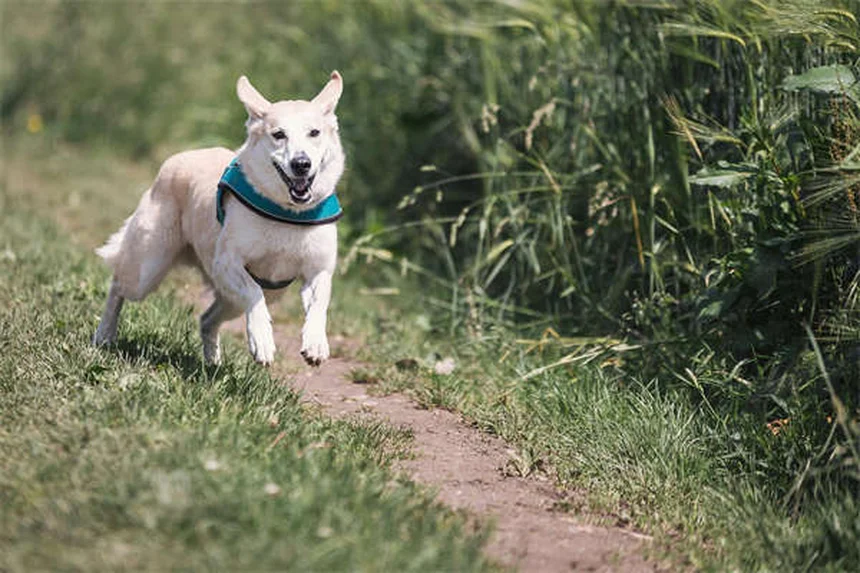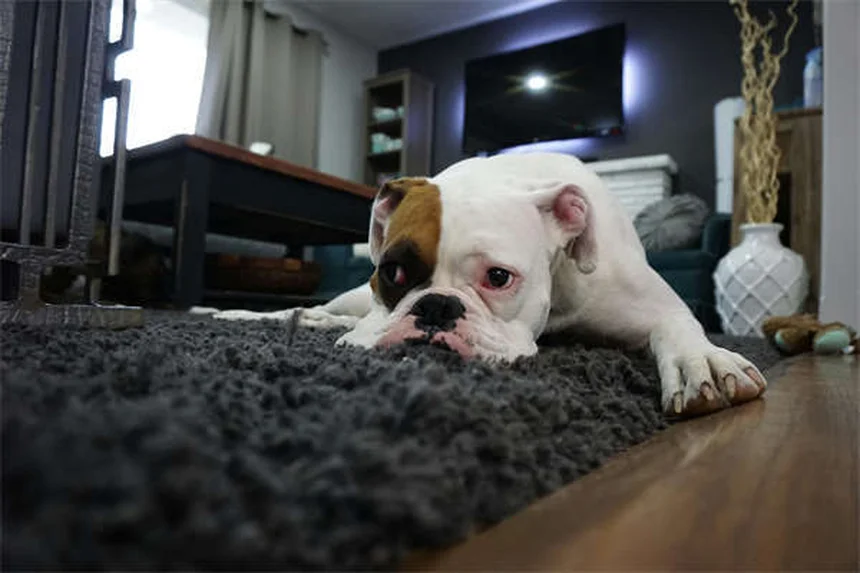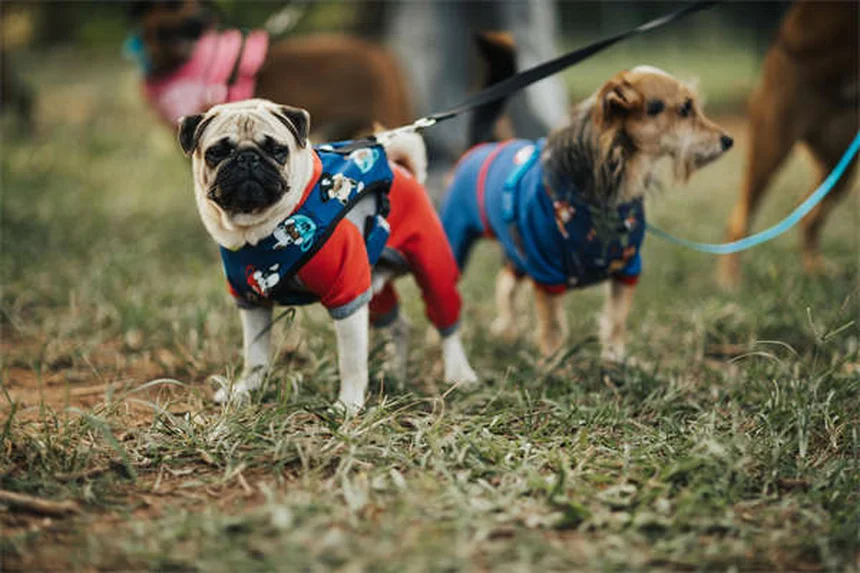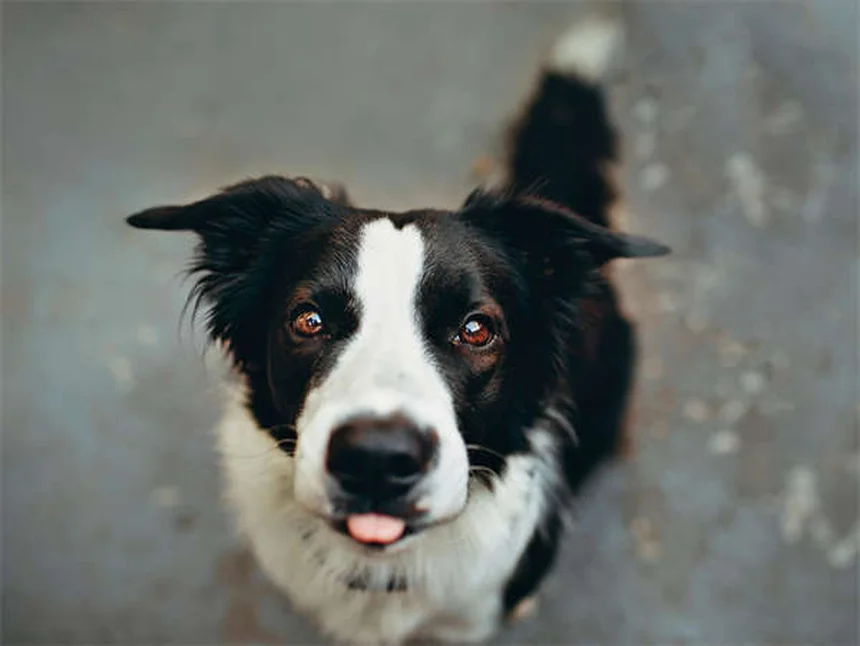

Wondering what's the best medication for your anxious pup? The answer is: there's no one-size-fits-all solution, but we've got 10 vet-approved options that can help your furry friend feel better. Whether it's thunderstorm phobias or separation anxiety keeping your dog stressed, medications like Clomicalm, Reconcile, and Sileo (the only FDA-approved dog anxiety meds) can make a world of difference when combined with behavior training.I remember when my friend's lab, Buddy, would literally chew through doors during storms. After trying a few options with their vet, they found the perfect combo of medication and training. Now Buddy just naps through fireworks! The key is working closely with your vet to find what works for your dog's specific needs.
E.g. :Guinea Pig Dental Problems: Symptoms, Treatment & Prevention
- 1、Understanding Dog Anxiety: A Pet Parent's Guide
- 2、How Dog Anxiety Medications Actually Work
- 3、The Top 10 Dog Anxiety Medications Explained
- 4、Medication Alternatives Worth Considering
- 5、Frequently Asked Questions About Dog Anxiety
- 6、Creating Your Dog's Anxiety Action Plan
- 7、The Bottom Line on Dog Anxiety Meds
- 8、Beyond Medication: Holistic Approaches to Dog Anxiety
- 9、The Role of Nutrition in Anxiety Management
- 10、Technology Meets Canine Comfort
- 11、Exercise: The Often Overlooked Anxiety Reducer
- 12、When to Consider Professional Help
- 13、FAQs
Understanding Dog Anxiety: A Pet Parent's Guide
Why Do Dogs Get Anxious?
Picture this: your dog starts shaking like a leaf during thunderstorms or destroys your couch when you're at work. Sound familiar? Dog anxiety is more common than you think, affecting about 40% of dogs at some point in their lives. Just like us, our furry friends can experience different types of anxiety - from separation anxiety to noise phobias.
Remember my neighbor's golden retriever, Max? He'd turn into a nervous wreck every Fourth of July. After working with their vet, they found the perfect combination of medication and behavior training. Now Max actually enjoys fireworks (well, tolerates them at least)!
When Should You Consider Medication?
Here's the deal - medication isn't always the first solution. But when your dog's anxiety starts affecting their quality of life (or your furniture), it might be time to talk to your vet. Ask yourself: "Is my dog's anxiety preventing them from being happy?" If the answer is yes, medication could help bridge the gap while you work on behavior modification.
| Situation | Behavior Signs | Possible Solutions |
|---|---|---|
| Separation | Destructive behavior, excessive barking | Reconcile, Clomicalm |
| Thunderstorms | Pacing, trembling, hiding | Alprazolam, Sileo |
| Vet Visits | Panting, aggression, freezing | Diazepam, Lorazepam |
How Dog Anxiety Medications Actually Work
 Photos provided by pixabay
The Science Behind the Calm
Ever wonder how these medications help your anxious pup? Most work by balancing brain chemicals like serotonin and norepinephrine. Think of it like adjusting the volume knob on your dog's anxiety - turning down the panic while keeping their personality intact.
But here's something important: medication alone isn't a magic cure. It's like giving your dog training wheels while they learn to ride the bike of life without anxiety. You'll still need to work on behavior modification with a trainer or behaviorist.
Short-Term vs. Long-Term Solutions
Not all anxiety meds work the same way. Some are like a quick band-aid (great for thunderstorms), while others are more like a long-term treatment plan. Let's break it down:
Short-Term Meds: These kick in fast (usually within 30-60 minutes) and are perfect for situational anxiety. They're the canine equivalent of taking a deep breath before a big presentation.
Long-Term Meds: These take weeks to build up in your dog's system but provide more consistent relief. They're like having a security blanket that's always there.
The Top 10 Dog Anxiety Medications Explained
1. Alprazolam (Xanax) - The Quick Fix
Alprazolam is like your dog's emergency stress ball. Perfect for those "Oh no, it's thunderstorm season again" moments. Give it about 30 minutes before the scary event, and watch your pup go from nervous wreck to mildly concerned observer.
Side effects can include some drowsiness and increased appetite (watch out for those puppy dog eyes begging for extra treats!).
 Photos provided by pixabay
The Science Behind the Calm
This one's more of a marathon runner than a sprinter. It takes 1-4 weeks to work but can be great for dogs with separation anxiety. Just remember - no sudden stops! Always taper off under vet supervision.
3. Buspirone - The Mild-Mannered Option
Buspirone is like the chill friend who helps your dog stay calm without knocking them out. It's not great for sudden panic attacks but can help with general anxiety. Takes up to 6 weeks to see full effects.
4. Clomipramine (Clomicalm) - The Separation Specialist
FDA-approved specifically for separation anxiety, Clomicalm is like giving your dog a virtual hug while you're away. It works by boosting those feel-good brain chemicals over time.
 Photos provided by pixabay
The Science Behind the Calm
Sileo is specially designed for noise phobias. It's applied as a gel in your dog's mouth (no swallowing needed!) and works within 30-60 minutes. Perfect for those unexpected fireworks or construction noises.
Medication Alternatives Worth Considering
Natural Calming Solutions
Before jumping to prescription meds, you might want to try some natural options. Things like:
- Calming supplements (look for L-theanine or chamomile)
- Pheromone diffusers (like Adaptil)
- Compression shirts (the canine equivalent of a weighted blanket)
Behavior Modification Techniques
Did you know that simple training can make a huge difference? Counter-conditioning (associating scary things with treats) and desensitization (gradual exposure) can work wonders. It's like helping your dog build confidence one step at a time.
Frequently Asked Questions About Dog Anxiety
Can I Just Give My Dog Benadryl?
Here's a common question: "Why can't I just use Benadryl for my dog's anxiety?" While it might make your dog a bit sleepy, Benadryl isn't specifically designed for anxiety. It's like using a band-aid when you really need stitches - might help a little, but not the real solution.
What About Melatonin?
Melatonin can be helpful for some dogs, especially with sleep-related anxiety. But it's not regulated for pets, so always check with your vet first. Think of it like giving your dog a warm glass of milk before bed.
How Long Until I See Results?
This depends on the medication. Some work within an hour, others take weeks. The key is patience - you wouldn't expect to get fit after one gym visit, right? Same principle applies here.
Creating Your Dog's Anxiety Action Plan
Working With Your Vet
Your vet is your partner in this journey. They'll help you:
- Identify triggers
- Choose the right medication (if needed)
- Monitor progress and adjust as needed
Tracking Your Dog's Progress
Keep a simple journal noting:
- When anxiety occurs
- How severe it is
- What helps
This helps your vet fine-tune the treatment plan. Think of it like being a detective for your dog's happiness!
The Bottom Line on Dog Anxiety Meds
Medication is a Tool, Not a Cure
Remember, anxiety medications are just one piece of the puzzle. They work best when combined with behavior training and lots of love. It's about giving your dog the tools they need to feel safe and confident.
Every Dog is Different
What works for your neighbor's dog might not work for yours. That's okay! With patience and the right approach, you can help your anxious pup live their best life. After all, isn't that what being a pet parent is all about?
Beyond Medication: Holistic Approaches to Dog Anxiety
The Power of Routine and Environment
You know how you feel better when your life has structure? Dogs thrive on routine too! Consistent feeding times, regular walks, and predictable schedules can work wonders for anxious pups. I've seen dogs transform when their owners simply stuck to a daily routine.
Let me tell you about Bella, a rescue terrier mix who used to panic whenever her owner left the house. After implementing a strict morning routine (breakfast at 7 AM, walk at 7:30, treat puzzle at 7:45 before departure), her separation anxiety decreased by 70% in just three weeks. The predictability gave her comfort.
Canine Massage and Touch Therapy
Ever gotten a massage that melted your stress away? Dogs can benefit from therapeutic touch too! Gentle massage techniques can:
- Lower heart rate and blood pressure
- Release calming endorphins
- Strengthen the bond between you and your dog
Start with simple ear rubs or long, slow strokes along your dog's back. Watch their body language - if they lean into it or sigh, you're on the right track! My friend's anxious greyhound now demands daily "spa time" complete with paw massages.
The Role of Nutrition in Anxiety Management
Anxiety-Fighting Foods and Supplements
Did you know your dog's diet could impact their anxiety levels? Certain nutrients act as natural calmatives. Here's a quick comparison of effective options:
| Supplement | How It Helps | Best For |
|---|---|---|
| L-Theanine | Boosts alpha brain waves (relaxation) | General anxiety |
| Magnesium | Supports nervous system function | Noise phobias |
| Probiotics | Improves gut-brain connection | Stress-related digestive issues |
But here's something important - always check with your vet before adding supplements. What works for one dog might not suit another, and some can interact with medications.
The Raw Diet Debate
Some pet owners swear raw diets reduce anxiety, while others see no difference. The truth? There's no one-size-fits-all answer. I've seen dogs thrive on high-quality kibble and others do better on fresh food. The key is finding what works for your individual pup.
Ever wonder why some dogs get hyper after certain foods? Just like kids with sugar highs, some pups react to artificial colors or preservatives. Keeping a food diary can help identify triggers.
Technology Meets Canine Comfort
Interactive Cameras and Treat Dispensers
Modern pet tech offers amazing tools for anxious dogs! I recently tested a camera that lets you:
- Talk to your dog remotely
- Dispense treats on command
- Monitor anxiety behaviors
The best part? You can check if your dog is actually benefiting from the interaction or if it's making things worse. One client discovered her dog was more stressed by her voice reminders than soothed by them - valuable insight!
White Noise and Calming Music
Remember how parents use white noise machines for babies? The same concept works for dogs! Studies show certain frequencies can reduce canine stress by up to 50%. Try these options:
Classical music: Especially pieces with 50-60 beats per minute (similar to a resting heart rate)
Nature sounds: Gentle rain or ocean waves mask scary outside noises
My local shelter plays harp music in their kennels, and the difference in barking levels is incredible. Who knew dogs had such refined musical taste?
Exercise: The Often Overlooked Anxiety Reducer
Mental Stimulation vs. Physical Exercise
Here's something most people don't realize - a tired dog is a happy dog, but not all exercise is created equal. While physical activity burns energy, mental stimulation actually tires their brains. The perfect anxiety-reducing routine includes both!
Try this combo: 30 minutes of brisk walking followed by 15 minutes of nose work (hiding treats for them to find). I've seen this approach work miracles for high-strung herding breeds who need both physical and mental outlets.
The Power of Play
Interactive play isn't just fun - it's therapeutic! Games that build confidence can help anxious dogs learn to handle stress better. Try:
Tug-of-war with rules: Teaches impulse control while releasing tension
Find it games: Builds problem-solving skills and confidence
Remember my client's fearful poodle? After incorporating daily play sessions focused on confidence-building, she went from hiding during storms to voluntarily entering her safe space. Small victories matter!
When to Consider Professional Help
Signs You Need a Certified Behaviorist
How do you know when it's time to call in the pros? If your dog's anxiety is:
- Causing self-harm (excessive licking, chewing)
- Leading to aggression
- Not improving with your efforts
A good behaviorist will create a customized plan rather than offering generic advice. They're like doggy therapists - sometimes you need that expert perspective.
The Cost vs. Benefit Analysis
Yes, professional help can be pricey, but think of it as an investment in your dog's quality of life. Many behaviorists offer sliding scales or package deals. Plus, addressing issues early often prevents more expensive problems later.
One client hesitated for months before consulting a behaviorist. After just three sessions, their dog's destructive chewing stopped, saving them hundreds in furniture repairs. Sometimes the solution pays for itself!
E.g. :10 Medications for Dog Anxiety: Managing Your Dog's Anxiety with ...
FAQs
Q: What's the safest anxiety medication for dogs?
A: The safest option depends on your dog's specific situation. FDA-approved medications like Clomicalm, Reconcile, and Sileo are specifically tested for dogs, making them generally the safest choices. However, many vets prescribe human medications "off-label" for dogs too. The real safety comes from proper dosing and monitoring by your vet. Always start with the lowest effective dose and watch for side effects like lethargy or digestive issues. Remember, what's safe for one dog might not be for another - that's why we never recommend sharing meds between pets without veterinary approval.
Q: How quickly do dog anxiety medications work?
A: It varies dramatically! Fast-acting meds like Alprazolam (Xanax) can work within 30-60 minutes - perfect for sudden thunderstorms or vet visits. But long-term solutions like Fluoxetine (Prozac) may take 4-6 weeks to show full effects. Here's a pro tip: keep a simple journal tracking your dog's anxiety levels and medication timing. This helps your vet fine-tune the treatment. Personally, I've seen dogs show improvement in as little as a few days with some meds, while others need the full month to really benefit.
Q: Can I give my dog human anxiety medications?
A: Only under veterinary supervision! While many human meds like Xanax or Prozac are used for dogs, the dosing is completely different. A pill that would barely affect you could overdose a small dog. Plus, some human medications are toxic to dogs entirely. Your vet knows how to calculate the proper canine dosage and may even get the medication specially compounded into dog-friendly flavors. Never, ever share your own meds with your pup - it's just not worth the risk.
Q: Are there natural alternatives to anxiety meds for dogs?
A: Absolutely! Before jumping to prescriptions, many vets recommend trying natural solutions first. These can include calming supplements with L-theanine or chamomile, pheromone diffusers (like Adaptil), or even compression shirts (think canine weighted blankets). I've had great success with CBD products for some dogs, though research is still ongoing. Behavior modification training is another powerful tool - sometimes just teaching your dog coping skills can reduce their need for medication. But remember, for severe anxiety, these alternatives may need to be combined with medication.
Q: How long will my dog need to be on anxiety medication?
A: This depends on your dog's specific situation. Some pups only need short-term help during particularly stressful periods (like moving houses or storm season). Others with chronic anxiety may benefit from long-term medication, sometimes for life. The good news? Many dogs can eventually be weaned off meds as they learn better coping skills through behavior training. My golden rule: never stop medication suddenly - always work with your vet on a proper tapering schedule to avoid withdrawal symptoms.