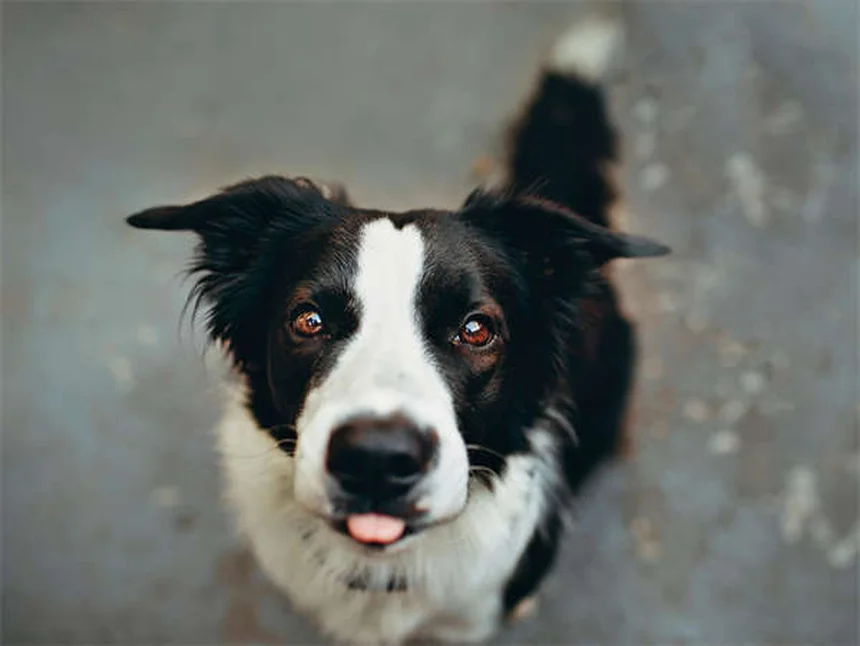

How can you keep your cat calm during fireworks? The answer is simple: with the right preparation and techniques, you can help your feline friend stay relaxed when those loud booms start. Fireworks anxiety in cats is real - their super-sensitive hearing makes those explosions sound ten times louder than we hear them. But don't worry, we've got your back with practical solutions that actually work.I've seen firsthand how terrified cats can get during Fourth of July or New Year's Eve celebrations. My neighbor's cat Whiskers once hid under the bed for three straight days after fireworks! That's why we're sharing these vet-approved tips to create a safe space, use calming techniques, and prevent dangerous escapes. Whether your cat is mildly nervous or completely panicked, you'll find solutions here that fit their personality and comfort level.
E.g. :Nitrate Poisoning in Fish: 5 Warning Signs & How to Save Your Aquarium
- 1、Why Do Fireworks Freak Out Our Feline Friends?
- 2、Preparing Your Home for Firework Season
- 3、Calming Techniques That Actually Work
- 4、Firework Safety 101 for Cat Owners
- 5、Training Your Cat to Tolerate Loud Noises
- 6、Emergency Preparedness for Cat Owners
- 7、The Surprising History of Fireworks and Animals
- 8、The Science of Sound and Feline Hearing
- 9、Alternative Celebrations for Pet Owners
- 10、Understanding Your Cat's Body Language
- 11、Long-Term Effects of Noise Phobias
- 12、Community Solutions for Pet Safety
- 13、FAQs
Why Do Fireworks Freak Out Our Feline Friends?
The Science Behind Cat Anxiety
You know how some people jump at sudden loud noises? Well, cats experience this ten times worse. Their super-sensitive hearing picks up frequencies we can't even detect. When fireworks explode, it's like someone suddenly blasting an airhorn right in their ear - not exactly a relaxing experience.
But here's something interesting - not all cats react the same way. Some will sleep through Independence Day like it's just another nap time, while others turn into furry little panic balls. Want to know a quick way to tell if your cat falls into the scaredy-cat category? Check out this simple behavior chart:
| Calm Cat Signs | Anxious Cat Signs |
|---|---|
| Normal breathing | Panting or rapid breathing |
| Relaxed ears | Ears flattened back |
| Slow blinking | Wide, dilated pupils |
Why Should You Care About Firework Anxiety?
Did you know July 5th is the busiest day of the year for animal shelters? That's because terrified cats often bolt through open doors or break screens to escape the noise. Once outside, they can get hit by cars, attacked by other animals, or become seriously ill.
Preparing Your Home for Firework Season
 Photos provided by pixabay
Microchipping: Your Cat's Permanent ID
Let me tell you about my neighbor's cat, Whiskers. This indoor-only feline somehow escaped during New Year's fireworks. Three weeks later, a shelter scanned his microchip and called the owners. That tiny rice-sized implant saved his life!
Here's what you need to know about microchips:- They're painless to insert (your vet does it during a regular visit)- They last your cat's lifetime- You must keep your contact info updated in the database
Creating the Ultimate Safe Space
Imagine you're scared and want to hide - wouldn't you want multiple cozy options? That's exactly what your cat needs! Try these simple setups:
1. Turn a cardboard box on its side with a soft blanket inside2. Drape a towel over a chair to make a cave3. Leave a closet door slightly open with their favorite bed inside
Pro tip: Place these hideouts in different rooms so your cat can choose where to retreat.
Calming Techniques That Actually Work
Natural Solutions for Nervous Kitties
Why spend money on expensive gadgets when nature provides perfect solutions? Catnip isn't just for playtime - it contains nepetalactone that acts like a natural sedative for many cats. Try sprinkling some in their safe space about 30 minutes before fireworks start.
Other options include:- Pheromone sprays (mimics mom-cat comfort scents)- Calming treats with L-theanine- Soft classical music (yes, cats dig Mozart!)
 Photos provided by pixabay
Microchipping: Your Cat's Permanent ID
If your cat shows extreme fear (think panting, drooling, or hiding for hours), it's time for professional help. Modern veterinary medicine offers safe anti-anxiety medications that can make holidays bearable for sensitive felines.
Remember my friend's cat who used to hide under the bed for days after fireworks? After getting prescribed fluoxetine (a mild antidepressant), she now calmly watches the lights from her cat tree!
Firework Safety 101 for Cat Owners
Hidden Dangers of Firework Residue
Ever wonder what makes fireworks so colorful? Toxic chemicals like barium and potassium nitrate - the same stuff that can poison your curious cat if they lick spent fireworks. Always check your yard the morning after celebrations.
Watch for these poisoning signs:- Excessive drooling- Vomiting- Difficulty breathing- Seizures (in severe cases)
The Great Escape Prevention Plan
Here's a scary thought - does your cat know how to open screen doors? Many clever felines do! Before fireworks start:
1. Double-check all window screens2. Keep doors closed (post a reminder note if needed)3. Consider baby gates as extra barriers
Fun fact: I once saw a cat undo a sliding door latch with his paws. Now that's motivation to escape loud noises!
Training Your Cat to Tolerate Loud Noises
 Photos provided by pixabay
Microchipping: Your Cat's Permanent ID
Can you really teach a cat not to fear fireworks? Absolutely! It's all about creating positive connections with the scary sounds. Start weeks before holiday events with this simple routine:
1. Play firework sounds at barely audible volume2. Immediately give high-value treats (think tuna or chicken)3. Gradually increase volume over multiple sessions
Why does this work? Your cat begins associating explosions with delicious rewards instead of fear. It's like turning broccoli into ice cream in their mind!
What Not to Do When Your Cat Panics
Here's a common mistake I see - people trying to comfort their scared cat with cuddles. While well-intentioned, this often reinforces the fear response. Instead:
- Stay calm (cats pick up on your energy)- Don't force interaction- Let them come to you when ready
Remember that time you tried to console someone during a horror movie? Same principle applies!
Emergency Preparedness for Cat Owners
Creating a Disaster Kit
What if your cat escapes during fireworks? Be prepared with these essentials:
- Recent photos (phone pics work)- Medical records copy- Familiar blanket or toy- Extra collar with ID tag
Store these in a "go bag" near your emergency exit. Better safe than sorry!
Neighborhood Watch for Lost Pets
Did you know most lost cats are found within 500 feet of home? When fireworks end, grab a flashlight and check:
- Under porches- In bushes- Garage areas- Storm drains
Pro tip: Shaking a treat bag often brings hiding cats running!
The Surprising History of Fireworks and Animals
How Ancient Animals Reacted to Early Pyrotechnics
You might think fireworks are a modern problem for pets, but guess what? The Chinese invented fireworks over 2,000 years ago, and historical records show even then, animals had strong reactions. Ancient texts describe horses bolting and chickens stopping egg production during celebrations.
Here's a fun fact that'll make you laugh - some medieval European towns actually paid farmers to keep their livestock away from firework displays. Talk about an early version of pet anxiety management! Makes you wonder, did they have the equivalent of medieval thunder shirts for cows?
The Evolution of Pet-Friendly Celebrations
Modern cities are finally catching on to animal welfare concerns. Several European countries now require "quiet fireworks" at public events near wildlife areas. These special pyrotechnics produce stunning visual effects with 90% less noise than traditional fireworks.
Check out how noise levels compare:
| Firework Type | Decibel Level | Human Perception | Cat Perception |
|---|---|---|---|
| Traditional Firework | 150-175 dB | Painfully loud | Traumatic |
| Quiet Firework | 90-100 dB | Movie theater volume | Noticeable but tolerable |
The Science of Sound and Feline Hearing
Why Cats Hear What We Can't
Ever wonder why your cat suddenly perks up when you haven't heard anything? Their ears are biological marvels, capable of detecting frequencies up to 64,000 Hz - that's three times higher than human hearing range. When fireworks explode, they're not just hearing the boom - they're picking up ultrasonic shockwaves we can't perceive.
Here's a wild comparison - if human hearing were a piano with 88 keys, a cat's hearing would extend another 40 keys higher! No wonder they get spooked when the neighborhood starts sounding like a war zone.
The Startle Reflex in Domestic Cats
Why do some cats recover quickly while others stay stressed for days? It all comes down to their individual startle reflex threshold. Think of it like this - every cat has an invisible "freak out meter" that fills up at different rates.
Factors affecting this include:- Early life experiences (kittens exposed to varied sounds adapt better)- Genetic predisposition (some breeds like Siamese tend to be more sensitive)- Current environment (indoor-only cats often react more strongly)
Alternative Celebrations for Pet Owners
Silent Light Shows That Wow
Who says celebrations need explosions? Laser light displays can create breathtaking patterns without the boom. Many cities now offer drone light shows where hundreds of synchronized drones paint moving pictures in the sky - completely silent and totally mesmerizing.
I took my nervous tabby to one last year, and you know what? She watched the entire show from her carrier, completely relaxed. The moving lights actually seemed to fascinate her!
DIY Home Celebration Ideas
Want to keep the festive spirit without traumatizing your feline? Try these creative alternatives:
1. Glow stick dance party (seal them securely so cats can't chew)2. Projector light shows on your ceiling3. Bubble machines with pet-safe solution4. Confetti cannons using biodegradable paper
Bonus - these options won't annoy your neighbors either! Everyone wins, especially your cat.
Understanding Your Cat's Body Language
Subtle Signs of Stress You Might Miss
While flattened ears and puffed tails are obvious, cats show anxiety in dozens of subtle ways. Ever notice your cat suddenly grooming obsessively during loud noises? That's displacement behavior - their way of coping with stress.
Other easy-to-miss signs include:- Excessive blinking- Tail flicking- Whisker position changes- Over-dilating pupils even in bright light
The Freeze Response in Cats
Why do some cats seem to "shut down" during fireworks instead of running? This is actually a primal survival tactic called tonic immobility. In the wild, playing dead can sometimes save a cat from predators. During fireworks, this manifests as:
- Sitting completely still for long periods- Unblinking stare- No response to treats or toys- Shallow breathing
If you see this, your cat isn't being calm - they're terrified beyond movement.
Long-Term Effects of Noise Phobias
How Repeated Trauma Changes Cats
Did you know chronic stress can actually rewire a cat's brain? Studies show cats exposed to regular loud noises without proper coping mechanisms develop permanent changes in their amygdala - the fear center of the brain.
This explains why some older cats become generally more anxious even without fireworks. Their baseline stress level stays elevated, making them jumpy about ordinary household sounds.
Preventing Noise Phobia Development
Can you "inoculate" kittens against firework fears? Absolutely! The critical socialization period (2-7 weeks old) is prime time for positive noise exposure. Breeders who play varied sounds during this window raise remarkably well-adjusted cats.
For adult cats, it's never too late to help. Consistent counterconditioning (that treat training we mentioned earlier) can literally build new neural pathways that bypass the fear response.
Community Solutions for Pet Safety
Neighborhood Firework Agreements
What if your whole block worked together to protect pets? Some communities create "quiet hours" agreements where residents only set off fireworks during specific times, allowing pet owners to prepare.
You could organize:- Group text alerts before fireworks start- Shared pet-sitting during peak hours- Community fundraisers for quiet fireworks
Working With Local Officials
Did you know many cities have noise ordinances that technically prohibit excessively loud fireworks? While enforcement varies, a well-organized group of pet owners can often persuade local officials to:
- Designate official fireworks zones away from residential areas- Implement earlier cutoff times- Promote alternatives like light shows- Increase fines for violators
Remember, change starts with one voice - why shouldn't it be yours?
E.g. :Fellow Cat owners, how do you calm your cats during fireworks? : r ...
FAQs
Q: Are all cats scared of fireworks?
A: Not all cats react the same way to fireworks. Some will sleep right through the loudest displays, while others become extremely anxious. It depends on their personality and past experiences. About 60% of cats show some signs of stress during fireworks. The key is observing your cat's behavior - look for flattened ears, hiding, or excessive grooming. If you're unsure how your cat will react, it's always better to prepare for the worst case scenario. I recommend testing their reaction to recorded firework sounds at low volume before the actual holiday.
Q: How early should I prepare my cat for fireworks?
A: You should start preparing your cat at least 2-3 weeks before major firework events like Fourth of July. This gives you time to try different calming methods and see what works best for your feline friend. For counter-conditioning training (where you associate fireworks with positive things), you'll need even more time - ideally 4-6 weeks. But even if fireworks are tonight, you can still implement quick fixes like creating safe hiding spots and using pheromone sprays. Remember, some preparation is always better than none!
Q: Can I give my cat human anxiety medication for fireworks?
A: Absolutely not! Many human medications are toxic to cats. Never give your cat any medication without consulting your veterinarian first. There are safe, vet-approved options specifically formulated for cats, including prescription anti-anxiety medications and natural calming supplements. My vet once told me about a case where a well-meaning owner gave their cat a small dose of human anti-anxiety meds, and the cat ended up in emergency care. Always check with your vet - they can recommend the safest solution for your cat's specific needs.
Q: How long does firework anxiety typically last in cats?
A: Most cats will start to calm down within 1-2 hours after the fireworks stop, but some highly sensitive felines may remain anxious for days. The duration depends on your cat's temperament and the intensity of their fear response. I've seen cases where cats refused to come out from hiding spots for 24-48 hours after loud celebrations. That's why creating a comfortable safe space is so important - they need time to decompress at their own pace. If your cat is still showing extreme stress signs more than a day after fireworks end, it's worth consulting your veterinarian.
Q: What's the most effective way to keep my cat from running away during fireworks?
A: The three most effective strategies are: 1) Keeping them indoors with all escape routes secured, 2) Microchipping as a permanent ID backup, and 3) Creating appealing hiding spots inside your home. Statistics show that July 5th is the busiest day for animal shelters due to pets escaping during fireworks. From my experience working with rescue groups, microchipped cats are 20 times more likely to be reunited with their owners. Combine this with keeping windows closed and using baby gates as extra barriers, and you've got a solid escape prevention plan.