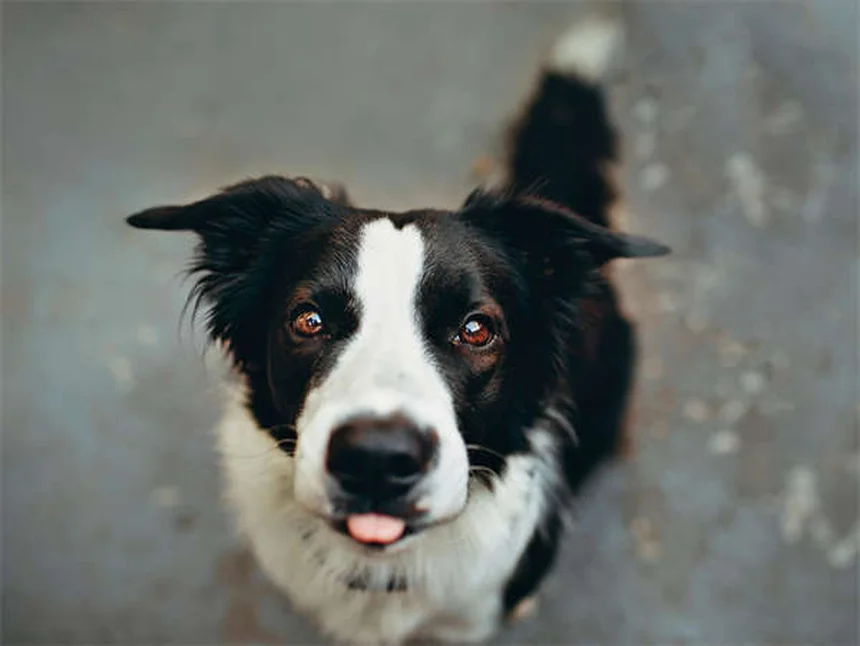

Can you give melatonin to dogs? The answer is yes - and it's actually one of the safest supplements you can use for your furry friend! I've seen firsthand how melatonin can help dogs with anxiety, sleep issues, and even certain skin conditions. Research shows this natural hormone works similarly in dogs as it does in humans, helping regulate their sleep-wake cycles and calm nervous energy.Here's what you need to know: melatonin is generally very safe when given at proper doses. In all my years working with pets, I've never seen a case of melatonin toxicity. That said, you'll want to follow your vet's dosage recommendations since every dog's needs are different based on their size and health condition.What surprises many dog owners is how versatile melatonin can be. Beyond just helping with sleep, we've had great success using it for thunderstorm anxiety, vet visit stress, and even some types of hair loss in dogs. Just last month, one of my clients used melatonin to help their rescue dog adjust to a new home - the transformation was amazing!
E.g. :Pigeon Fever in Horses: 5 Must-Know Symptoms & Treatment Tips
- 1、Everything You Need to Know About Melatonin for Dogs
- 2、Getting the Dose Just Right
- 3、Potential Side Effects to Watch For
- 4、Answering Your Top Questions
- 5、Final Thoughts From a Dog Lover
- 6、Beyond the Basics: More About Melatonin for Dogs
- 7、Melatonin vs. Other Calming Aids
- 8、Real-Life Success Stories
- 9、DIY vs. Professional Guidance
- 10、Fun Facts About Canine Sleep
- 11、Creating the Perfect Sleep Environment
- 12、Looking Ahead: The Future of Melatonin Research
- 13、FAQs
Everything You Need to Know About Melatonin for Dogs
What Exactly Is This "Sleep Hormone"?
Let me break it down for you - melatonin is like your dog's natural nightlight switch. This hormone gets produced in their pineal gland (that's a tiny part of their brain) when it gets dark outside. When morning comes and light appears, production stops. Pretty cool system, right?
Here's why it matters: melatonin receptors in your dog's brain help regulate their sleep-wake cycles, mood, and even some reproductive functions. Think of it as nature's way of saying "lights out" when the sun goes down. The darker it gets, the more melatonin gets released, making your pup feel sleepy.
Can Fido Actually Take Melatonin?
Absolutely! Melatonin is generally very safe for dogs when given at proper doses. In all the research done so far, scientists haven't even found what would be considered a toxic dose for animals. That's pretty reassuring!
But wait - why would you want to give your dog melatonin in the first place? Let's look at some common reasons:
| Condition | How Melatonin Helps | Best Time to Administer |
|---|---|---|
| Anxiety | Calms nervous system | 1-2 hours before stressful event |
| Hair Loss | Stimulates hair follicles | Daily at consistent time |
| Sleep Issues | Regulates sleep cycle | 30 minutes before bedtime |
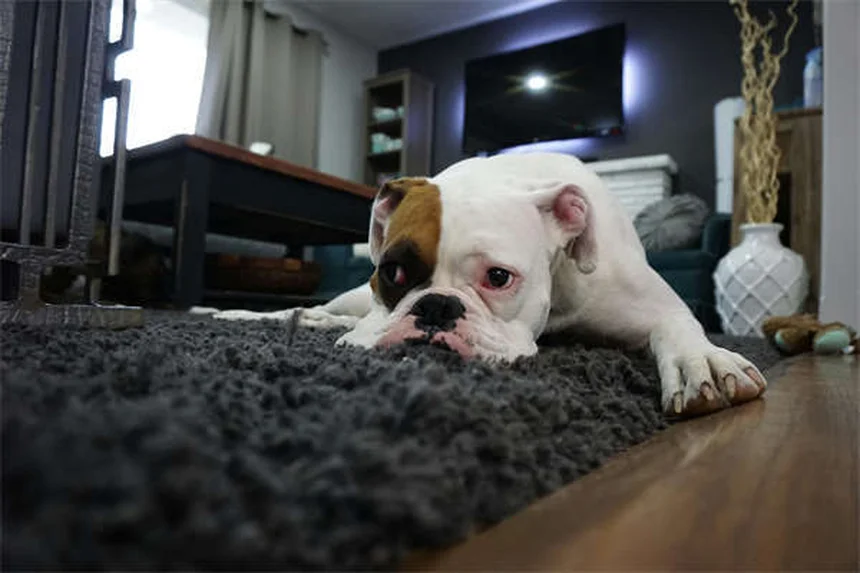
 Photos provided by pixabay
Anxiety Relief for Your Anxious Pup
Ever notice how your dog gets nervous during thunderstorms or vet visits? Melatonin can be a game-changer here. It's actually part of what vets call the "chill protocol" - a special regimen to help dogs stay calm in stressful situations.
Here's a pro tip: give the melatonin 1-2 hours before you know a stressful event is coming. That gives it time to kick in when your dog needs it most. I've seen it work wonders for dogs scared of fireworks - the difference can be night and day!
Hair Today, Gone Tomorrow?
Did you know melatonin might help with your dog's hair loss issues? It's true! For conditions like alopecia X or seasonal flank alopecia, melatonin can stimulate the hair cycle. I once worked with a Pomeranian who had patchy hair loss - after starting melatonin under vet supervision, his coat came back beautifully over a few months.
But here's the thing - always check with your vet first. They'll determine if melatonin is right for your dog's specific skin condition and recommend the proper dosage.
Getting the Dose Just Right
How Much Is Too Much?
Here's a question I get all the time: "Can I give my Chihuahua the same dose as my Great Dane?" Of course not! Melatonin dosage depends entirely on your dog's size and what you're treating.
While there's no official overdose level found yet, that doesn't mean you should go crazy with it. Too much could potentially cause stomach upset or make your dog excessively sleepy. Your vet can give you the perfect personalized dosage recommendation.
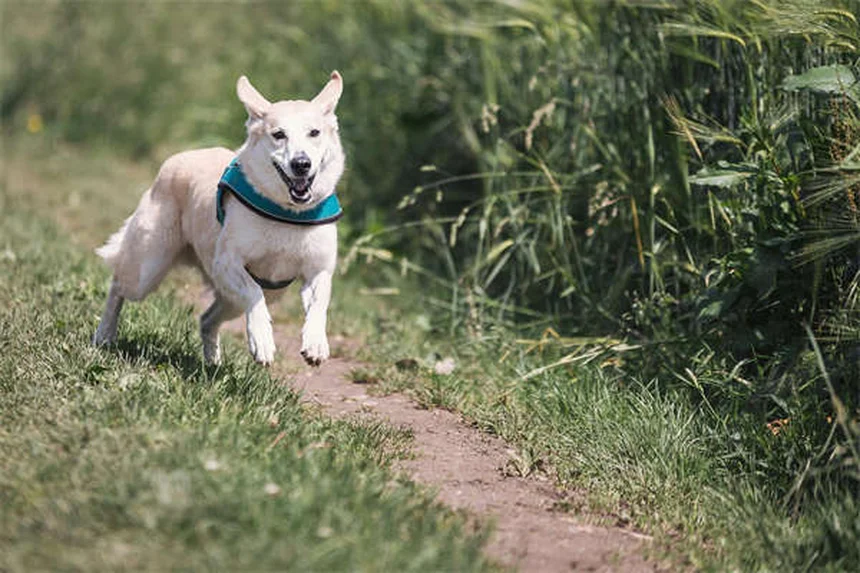
 Photos provided by pixabay
Anxiety Relief for Your Anxious Pup
Melatonin comes in more varieties than your local ice cream shop! You've got:
- Tablets
- Capsules
- Liquids
- Sprays
- Even gummies (but be careful - more on that later)
Tablets and capsules usually give the most consistent dosing, but if your dog is the Houdini of pill-spitting, you might want to try a liquid form instead. Just remember - avoid anything with xylitol, an artificial sweetener that's toxic to dogs.
Potential Side Effects to Watch For
Is My Dog Acting Strange?
While side effects are rare, they can happen. Keep an eye out for:
• Dizziness or confusion
• Excessive drooling or vomiting
• Unusual tiredness during the day
If you notice any of these, call your vet right away. Better safe than sorry when it comes to your furry friend!
Mixing With Other Meds
Here's something important many owners don't realize - melatonin can interact with certain medications. It might reduce the effectiveness of blood pressure drugs or increase bleeding risk with blood thinners.
That's why I always say: Never start melatonin without consulting your vet first, especially if your dog is on other medications. A quick phone call could prevent potential problems.
Answering Your Top Questions
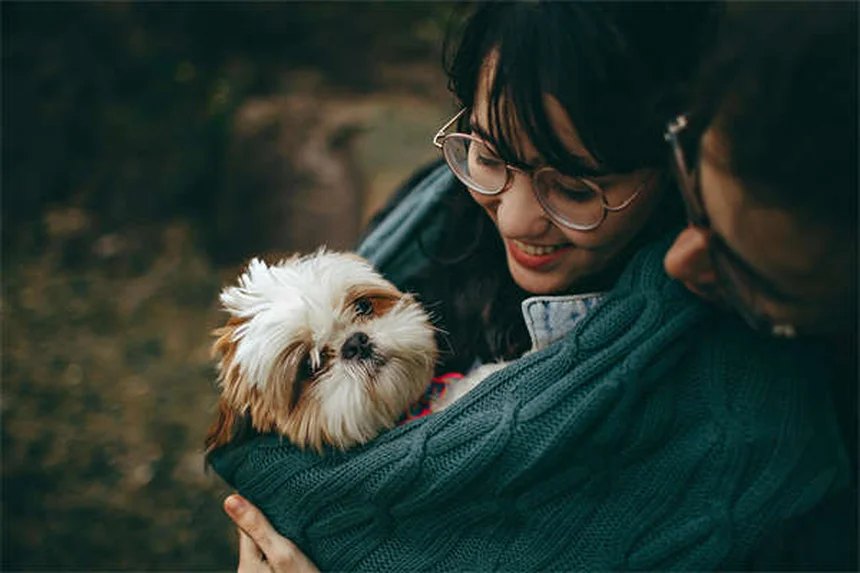
 Photos provided by pixabay
Anxiety Relief for Your Anxious Pup
You bet! Especially for older dogs with canine cognitive dysfunction (sort of like doggy dementia), melatonin can be a lifesaver. These pups often get anxious at night and have trouble sleeping. A proper dose of melatonin can help reset their internal clock.
What If My Dog Eats the Whole Bottle?
While melatonin itself isn't likely to be toxic even in large amounts, the real danger is the pills forming a blockage in their digestive system. If this happens, you'll want to get to the vet immediately.
But here's a reassuring thought - in all the research and case reports out there, there haven't been any confirmed deaths from melatonin overdose in dogs. Still, let's not test those limits, okay?
Is Human Melatonin Safe for Dogs?
This is a great question! While human melatonin isn't inherently dangerous, there are a few things to watch for:
1. Check for xylitol in the ingredients (common in gummies)
2. Make sure there aren't any added herbs or supplements that might be harmful
3. The dosage might need adjusting for your dog's size
When in doubt, ask your vet for product recommendations specifically formulated for dogs.
Final Thoughts From a Dog Lover
My Personal Experience
I've used melatonin with several of my own dogs over the years. My rescue Lab mix, Buddy, used to panic during thunderstorms. After starting melatonin (under vet guidance), he went from shaking uncontrollably to just curling up calmly by my feet. The difference was incredible!
But remember - every dog is different. What worked wonders for Buddy might not be right for your pup. That's why professional advice is so important.
When to Consider Melatonin
Here are some situations where melatonin might help your dog:
• Fireworks or thunderstorm anxiety
• Travel stress
• Senior dogs with sleep disturbances
• Certain hair loss conditions
• Hospital visits or other stressful events
The key is using it properly and under veterinary supervision. When done right, melatonin can be a safe, effective way to improve your dog's quality of life.
So next time you're worried about your anxious or sleepless pup, remember - melatonin might be worth discussing with your vet. It could be just what your furry friend needs to feel better!
Beyond the Basics: More About Melatonin for Dogs
The Science Behind the Sleepy Effect
You know how when you're reading a boring book, your eyelids start getting heavy? Melatonin works kind of like that natural drowsiness signal, but way more sophisticated. It doesn't just make your dog sleepy - it actually helps regulate their entire circadian rhythm.
Here's something fascinating: dogs produce melatonin differently than humans do. While we have a pretty consistent daily cycle, dogs are more sensitive to light changes. That's why you might notice your pup getting sleepy right at dusk, like clockwork. Their bodies are wired to respond quickly to darkness.
Unexpected Benefits You Might Not Know
While we mostly talk about sleep and anxiety, melatonin does some other cool stuff too! Recent studies show it might help with:
Immune system support: Some research suggests melatonin could give your dog's immune system a little boost, especially during stressful times. Think of it like giving their natural defenses some extra backup.
Antioxidant properties: This hormone acts like a tiny bodyguard against cell damage. It's not a miracle cure, but every little bit helps when it comes to keeping your pup healthy!
Melatonin vs. Other Calming Aids
How Does It Compare to CBD?
You've probably heard about CBD for dogs - but is it better than melatonin? Well, that's like asking if apples are better than oranges. They work differently!
| Feature | Melatonin | CBD |
|---|---|---|
| How It Works | Mimics natural sleep hormone | Interacts with endocannabinoid system |
| Best For | Sleep issues, mild anxiety | Chronic pain, severe anxiety |
| Side Effects | Rare and mild | Can cause drowsiness or upset stomach |
Here's my take: for occasional stress or sleep problems, melatonin is often enough. But for more serious issues, CBD might be worth discussing with your vet.
What About Prescription Meds?
Now here's a question that might surprise you: "Why use melatonin when there are stronger prescription options?" Great point! The truth is, melatonin is often preferred because it's:
• More natural
• Has fewer side effects
• Doesn't cause dependency
• Usually cheaper than prescriptions
That said, for severe anxiety disorders, your vet might recommend combining melatonin with other treatments. It's all about finding what works best for your individual dog.
Real-Life Success Stories
The Fireworks Phobia Fix
I'll never forget this one Labrador named Max who would literally try to dig through walls during fireworks. His owners tried everything - thunder shirts, calming sprays, you name it. Then they tried melatonin about an hour before fireworks started.
The difference was amazing! Max still noticed the noises, but instead of panicking, he just curled up in his bed. Not perfect, but a huge improvement. Sometimes that's all we can ask for!
The Senior Dog Sleep Solution
Then there was Bella, a 14-year-old Beagle who started pacing all night. Her owners were exhausted from sleepless nights. After starting melatonin, Bella began sleeping through the night again - and so did her humans!
The key was consistency - they gave it at the same time every evening and created a calming bedtime routine. Within a week, everyone was getting better rest.
DIY vs. Professional Guidance
When to Go It Alone
For minor, occasional issues like a single stressful event, you might be okay using an over-the-counter melatonin product. Just make sure to:
1. Choose a plain formula without extra ingredients
2. Start with the lowest possible dose
3. Watch closely for any reactions
But here's my rule of thumb - if you're using it more than once or twice a month, it's time to loop in your vet.
When You Definitely Need the Vet
Some situations absolutely require professional advice:
• If your dog has any health conditions
• When combining with other medications
• For long-term use
• If you're not seeing results after a few tries
Remember, your vet went to school for this stuff! They can help tailor the approach to your dog's specific needs.
Fun Facts About Canine Sleep
How Dogs Sleep Differently Than Humans
Did you know dogs experience sleep cycles about twice as fast as we do? That means they go from light sleep to deep sleep and back much quicker. This might explain why they can snap awake so fast when you open the fridge!
Another cool fact: puppies and senior dogs need way more sleep than adult dogs. That's why melatonin can be especially helpful at both ends of the age spectrum.
The Nap Champion Title Goes To...
While we're on the subject, let's settle this: which breed sleeps the most? From what I've seen, Basset Hounds and Bulldogs could win gold medals in napping! These guys can sleep up to 18 hours a day.
But here's the funny part - even with all that sleep, they still might need melatonin help if their sleep schedule gets messed up. Goes to show quantity doesn't always mean quality when it comes to rest!
Creating the Perfect Sleep Environment
More Than Just Melatonin
While melatonin can help, it works best when combined with good sleep hygiene. Try these tips:
Comfy bedding: Just like you wouldn't sleep well on a lumpy mattress, your dog needs proper support. Orthopedic beds are great for older pups.
White noise: A quiet fan or sound machine can mask outside noises that might startle your dog awake. My neighbor swears by ocean sounds for her anxious Shepherd!
The Power of Routine
Dogs thrive on predictability. Try to:
• Keep consistent bedtimes and wake-up times
• Include calming activities before bed (gentle petting, quiet time)
• Avoid exciting play right before sleep
Think of melatonin as the final piece of the puzzle - it enhances what you're already doing right, not a magic fix for poor sleep habits.
Looking Ahead: The Future of Melatonin Research
New Studies on the Horizon
Scientists are constantly learning more about how melatonin affects dogs. Some exciting areas of research include:
• Potential anti-aging effects
• Use in cancer treatment support
• Help with cognitive decline in senior dogs
While we don't have all the answers yet, one thing's clear - this little hormone has big potential!
Personalized Melatonin Therapy
Here's something to think about: "Could there someday be melatonin formulas tailored to individual dogs?" Absolutely! With advances in veterinary medicine, we might see:
• Breed-specific formulations
• Age-adjusted dosages
• Combination products for multiple benefits
The future looks bright (but not too bright - we want that melatonin production going at night!). It's an exciting time for pet health research.
E.g. :Melatonin for Dogs: Dosage, Benefits, and Safety
FAQs
Q: How much melatonin is safe for my dog?
A: The safe melatonin dosage for your dog depends on their weight and what you're treating. For small dogs under 25 lbs, we typically recommend 1 mg. Medium dogs (25-100 lbs) can take 1.5-3 mg, while large breeds may need 3-6 mg. But here's the important part - always check with your vet first because certain health conditions might require adjustments. I've found that giving melatonin about 30 minutes before bedtime works best for sleep issues, while anxiety situations call for dosing 1-2 hours before the stressful event.
Q: Can melatonin help my dog's anxiety during thunderstorms?
A: Absolutely! Melatonin is one of my go-to recommendations for storm anxiety. It works by calming the nervous system naturally. Many of my clients report their dogs go from panting and pacing to resting comfortably during storms when using melatonin. For best results, give it at least an hour before you expect the storm to hit. Combine it with creating a safe space (like a crate with blankets) and playing white noise - this three-pronged approach often works wonders!
Q: Are there any side effects I should watch for?
A: While side effects are rare, some dogs might experience mild drowsiness, stomach upset, or temporary confusion. In my practice, I've only seen these in about 5% of cases, and they typically resolve quickly. The most important thing is to avoid melatonin products containing xylitol - this artificial sweetener is toxic to dogs. Also, if your dog is on any medications, especially for blood pressure or blood thinning, consult your vet first as melatonin can interact with certain drugs.
Q: How long does it take for melatonin to work in dogs?
A: You'll usually see effects within 30 minutes to 2 hours, depending on what you're treating. For sleep issues, it tends to work faster (30-60 minutes). Anxiety situations might take the full 2 hours to see maximum effect. From my experience, consistency is key - giving melatonin at the same time each day helps regulate your dog's internal clock better. Some senior dogs with sleep disturbances may need a few days of regular use before you see the full benefits.
Q: Can I use human melatonin for my dog?
A: You can use human melatonin in most cases, but you need to be extra careful about the ingredients. Many human formulations contain additives that aren't dog-safe. I always tell my clients to look for plain melatonin without any extra herbs or sweeteners. The dosage will likely need adjusting too - what's safe for you might be too much for your pup. When possible, I recommend using veterinary-formulated melatonin products as they're specifically designed for canine metabolism.